Into the light
New York-based designer and photographer Shaun Fynn on Departures – his ‘life’s work’, documenting 20 years of travels through India…
Words Mark Hooper
Photograph Shaun Fynn
How would you describe yourself? Designer? Photographer? Author? All of the above?
Certainly all of the above – but I would primarily describe myself as an observer, as this is the unifying foundation behind creatives and creative works, Therefore, photography, design, writings etc. all become manifestations of observation, so it’s a question of what form should expression take. I personally feel comfortable moving between imagery and object, so it seems like quite a natural thing.
Can you tell us about Departures? It feels like a life’s work…
It certainly is a life’s work – although it didn’t start as an intentional book project, it was more of a photographic journey and a fascination with visual culture and the human condition. Over the years, the project evolved into a more complete body of work, and Departures actually came together as a book idea during the pandemic when I had more time to reflect on my own work. It was an interesting period, as I had time to look back at 20 years of my photographic journeys in India and I started to see themes, threads and narratives that I had been both consciously and subconsciously pursuing.
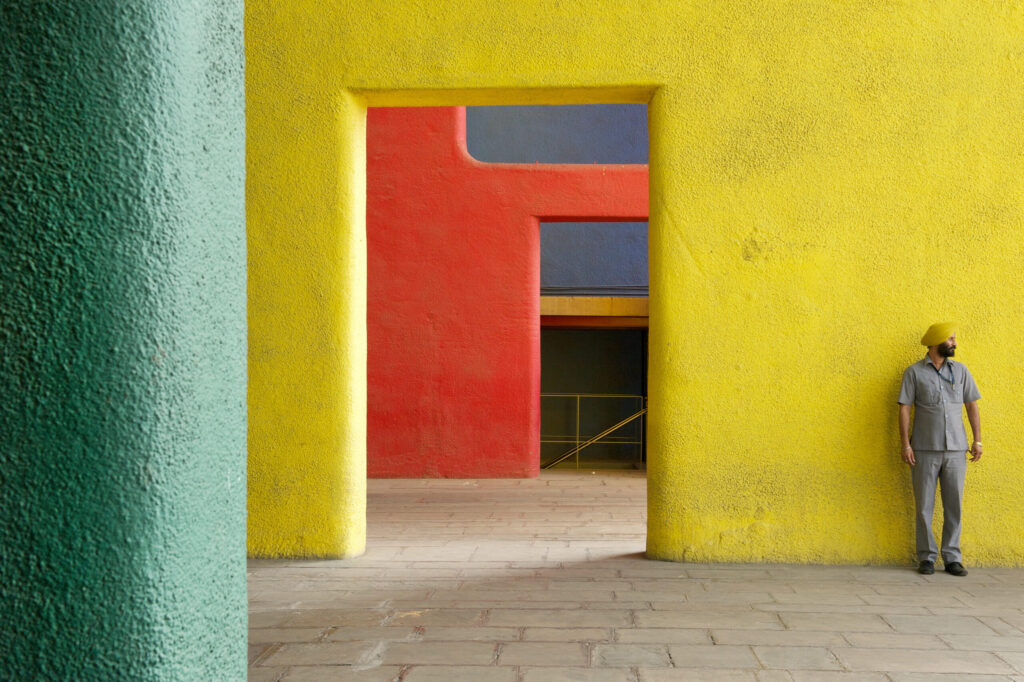
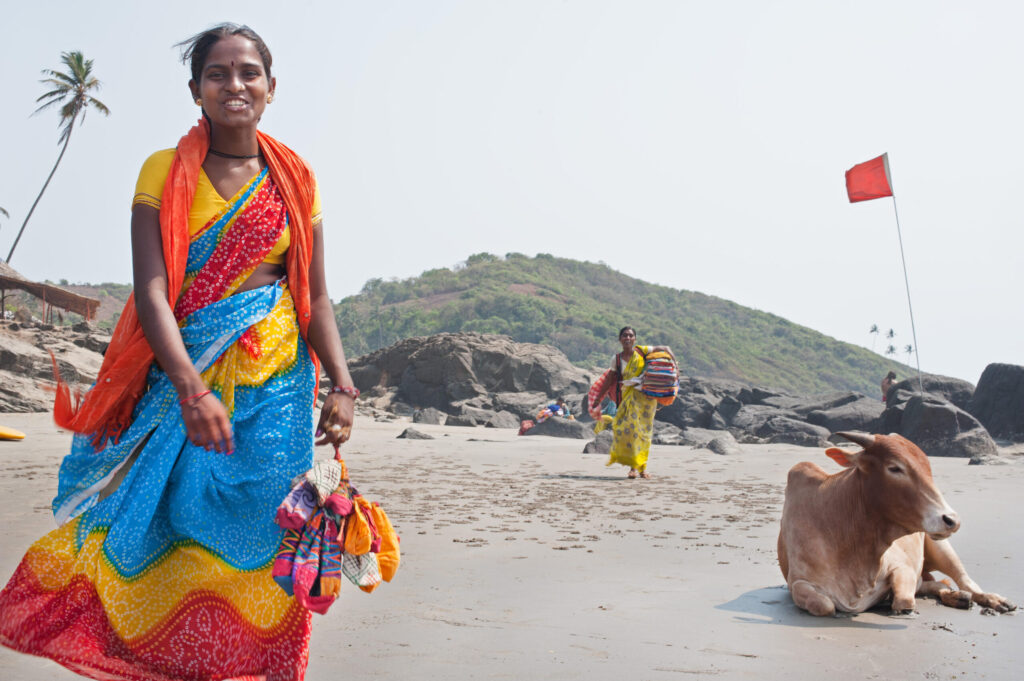
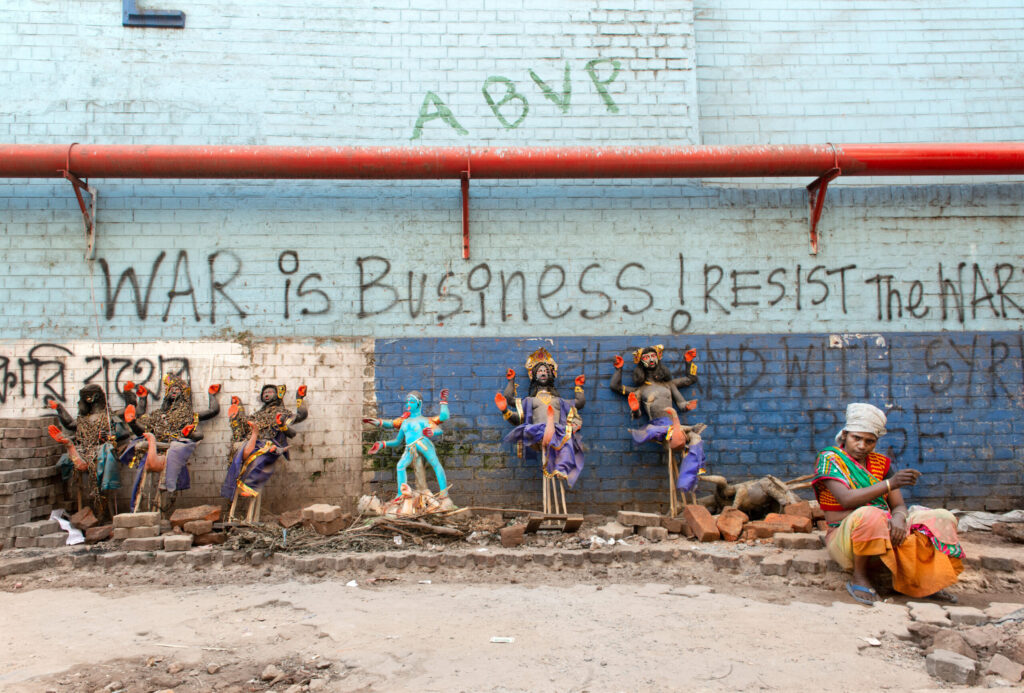
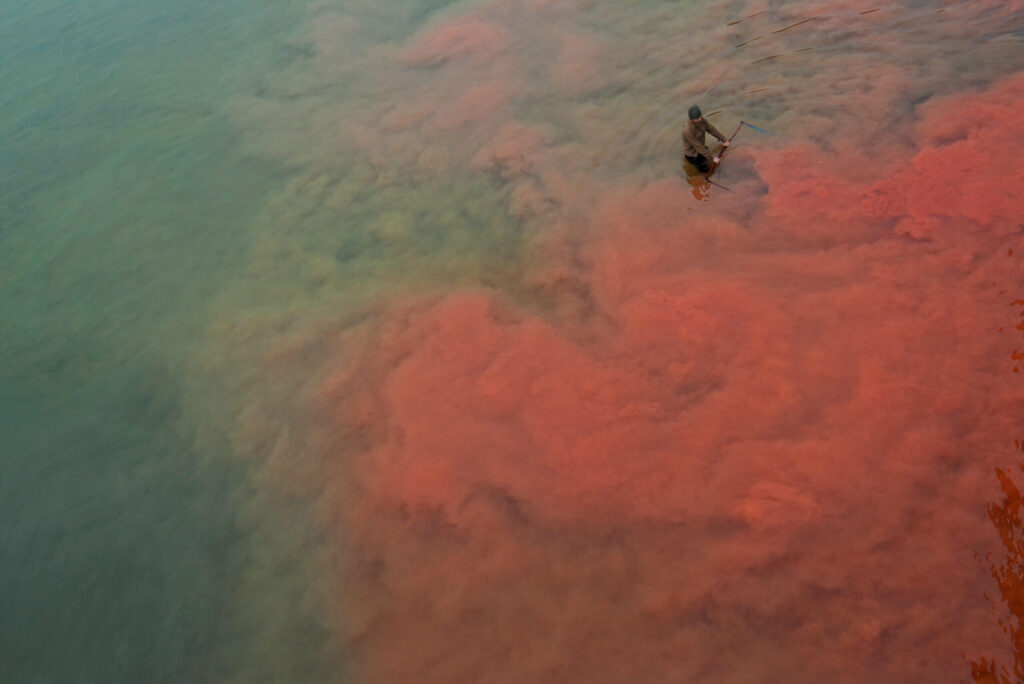
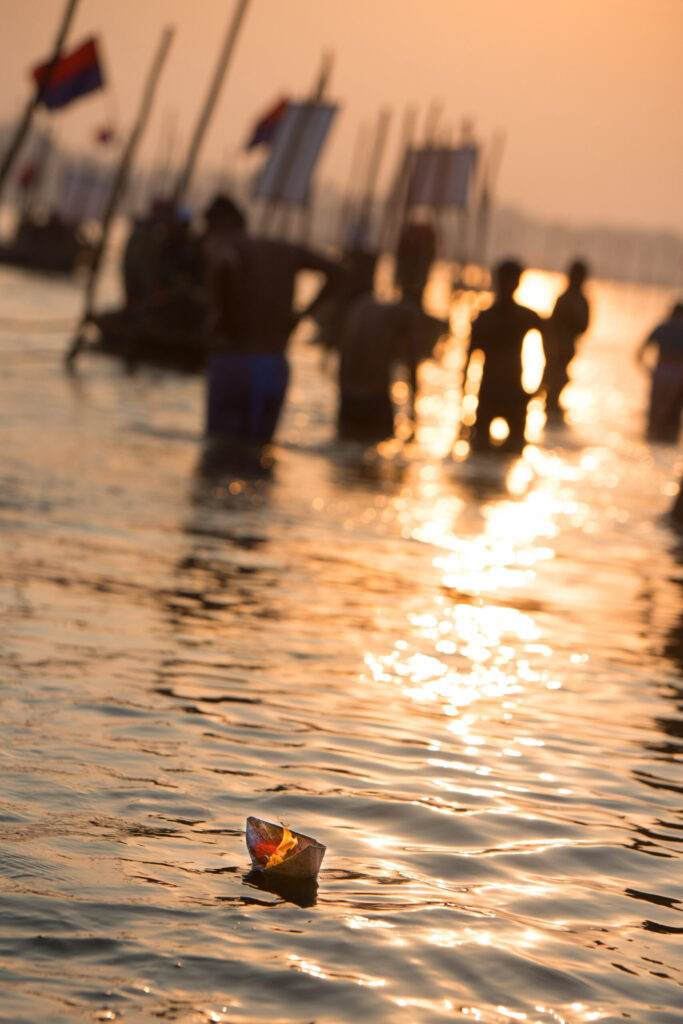
The title and concept for Departures is constructed on three primary levels. In the simplest form, Departures is a journey, a voyage, and travel through a spectacular land, from the ever-increasing expansion of the modern city to the exquisite isolation of the Himalaya. Secondly, the photographic approach is intended as a departure from romanticized imagery of India, portraying a more contemporary story. Lastly, Departures intends to explore ritual and spirituality, reflecting the pluralism and diversity embodied in India’s belief systems.
The book design is intended to reflect an austerity; looking similar to a holy book or dictionary to create a balance and contrast to the photo content. The bold cover, without photography, is intended to create intrigue and have more impact amongst the clutter of bookstores and in online sales forums (on screen and mobile device), where book covers are usually shown very small reducing legibility of photography. The design draws inspiration from the vernacular aesthetics of India, employing the use of the large pink colour field (a colour often used to paint buildings) with the word Departures in a gold Hindi script.
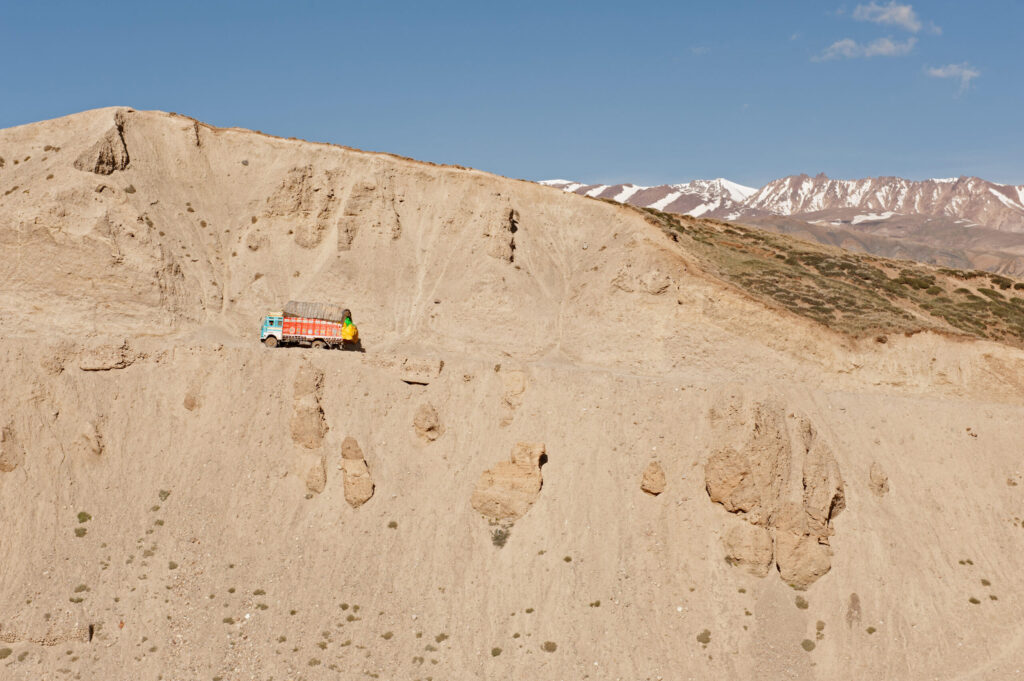
What is it about India that draws you?
Many things, but particularly the intensity of life, culture and how rich the visual world of India is. Also, I remember an interview with George Harrison where he prophetically commented that his journeys to India and spiritual path were an inquiry into ‘what happens when you die’. I thought this was quite a simple and interesting way to explain a rather complex subject. I also think India appeals to those who are seeking experiences beyond the familiarity of their own culture.
Was the intention to go further than the usual distanced observation of street photography?
Yes, it was intentional. I think the works of Indian photographers Raghubir Singh and Raghu Rai are fantastic and their serendipitous journey through the Indian street scene are unrivalled, so I wanted to do something different from this, something that dug a bit deeper, hence my exploration inside offices, institutions and factories and an underlying theme exploring 21st century urbanization. I also wanted to avoid the typically romanticized imagery of India while still being authentic to culture and rituals.
My own photographic influences also come into this – I have always been inspired by the social realist and humanist traditions in photography, particularly in 20th century European photographers, so I think these influences come through in my work.
We’re interested in exploring those spaces ‘Where Ideas Form’ – the places people go to escape the world, to be inspired, to contemplate and create. It seems that India is that place for you…
Yes, India is certainly the place that inspired me to pick up the camara and take my work to a new level. However, there’s a place where ideas form and where ideas manifest or take place, and they are not necessarily the same place. Going back to my point on observation, ideas can form anywhere if you keep your eyes open but it’s the production part that needs to be planned – as something to execute in the studio or a project with a location or on the road.
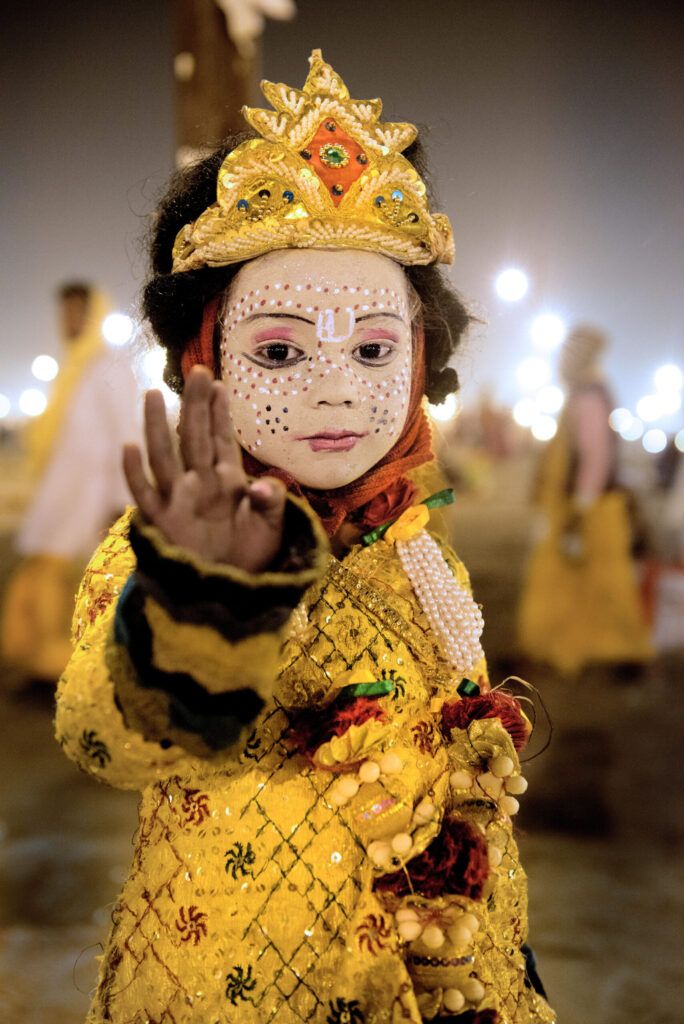
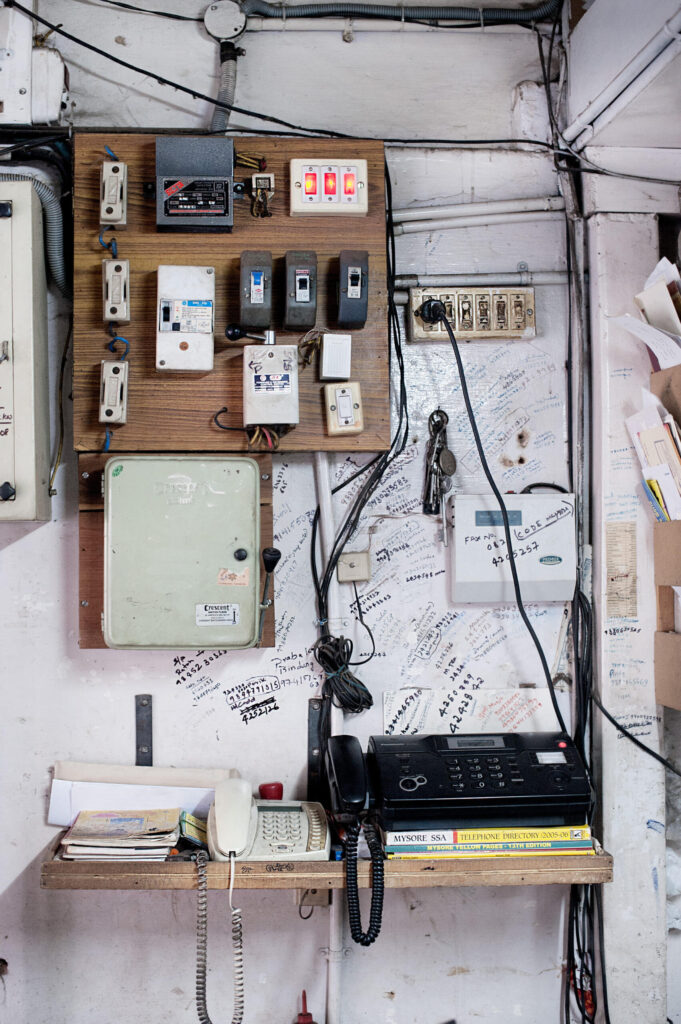
Is there anywhere else you go when you need inspiration?
I lived in Italy for a few years and always appreciated the cultural sensitivity to design, beauty and historical preservation, so I always like to go back there. I can also be quite inspired by gritty urban environments or the beauty of natural landscapes.
Is it always a physical space, or is it more about your state of mind?
State of mind is critical and everything evolves around this, so being conscious of what influences the state of mind is the key. Physical space is one important element, but I like to think of creative practice holistically – so balancing time in the studio and time out is necessary. Also, third spaces are an interesting concept, like libraries and coffee houses – these certainly play a role as they are neither studio or home and offer a retreat or escape space.
And is it a private space or are other people welcome?
I think to some degree a studio and workspace needs to be private, but opening it to community and friends for events or collaborations is important.
Is it important for you to have somewhere to escape the hustle and bustle of life?
Yes, my studio is based in the Pound Ridge/Bedford area of NY, about an hour north of New York City – so everything here feels quite bucolic whilst still being part of the NYC professional and cultural ecosystem. Prior to this I had lived in India for three years full time and was very much in need of an escape from the intensity of cities.
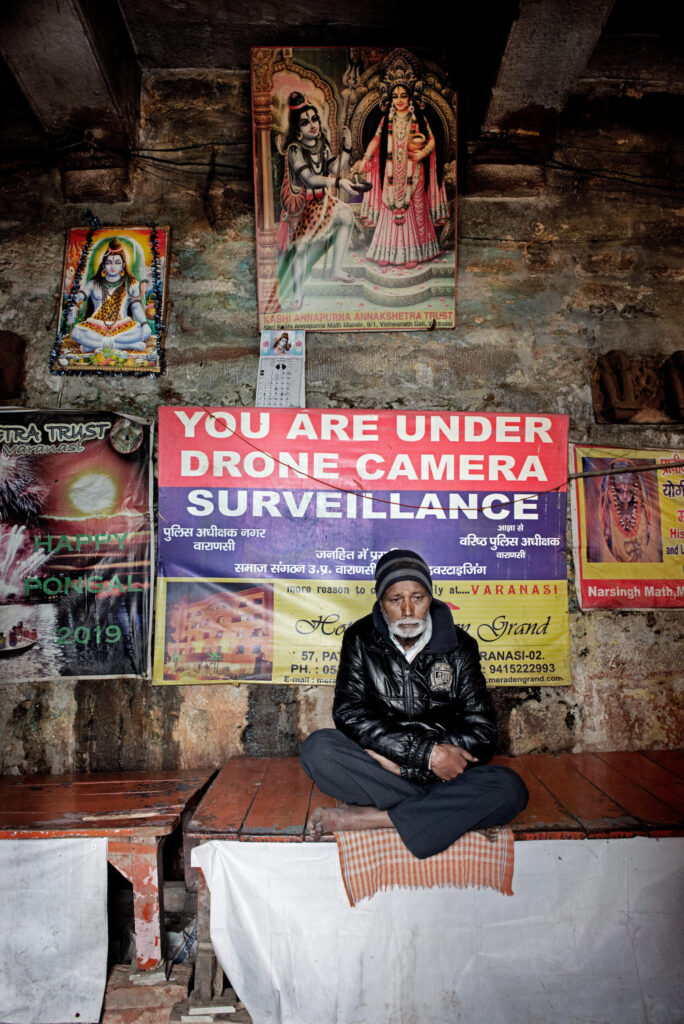
Does music help in your creative process? If so, what do you listen to?
Absolutely, I tend to go in phases or explorations of various artists/genres and basically have Spotify in the background for most of the day as the algorithms help discovery. Fela Kuti and afrobeat have been back on the agenda recently, along with Hariprasad Chaurasia, Blanco White and English folk from the 60’s and early 70’s. Next month onto something else and new genres…
What elements make the perfect creative space for you?
Light, a view of nature out of the window, spatial and furniture configurations that allow different kinds of work and collaboration, a space to chill, a place to reflect on work and a library of real books.
What new projects do you have coming up?
I am working on a new project to move my photographic works into larger scales and combine with architecture and physical spaces. Sort of an ‘art and architecture’ venture that will look to create wallpaper and other surface applications…
Departures is included in the collection of the Yale Centre for British Art;