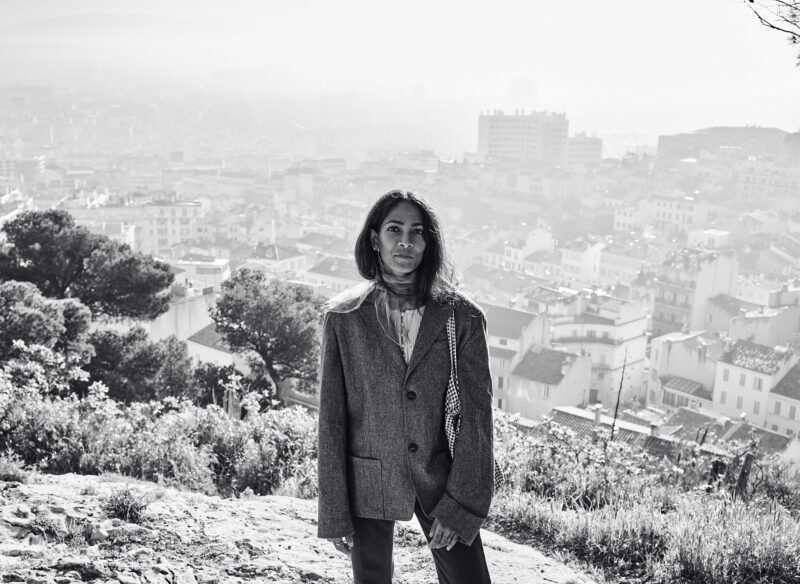
A Place to hide away
They may have named their leather brand KikaNY, but, for Kika Vliegenhart and Sabine Spanjer, a move to the rural idyl of Mallorca has helped them to flourish.
Words James Cartwright
Photographs Sam Walton
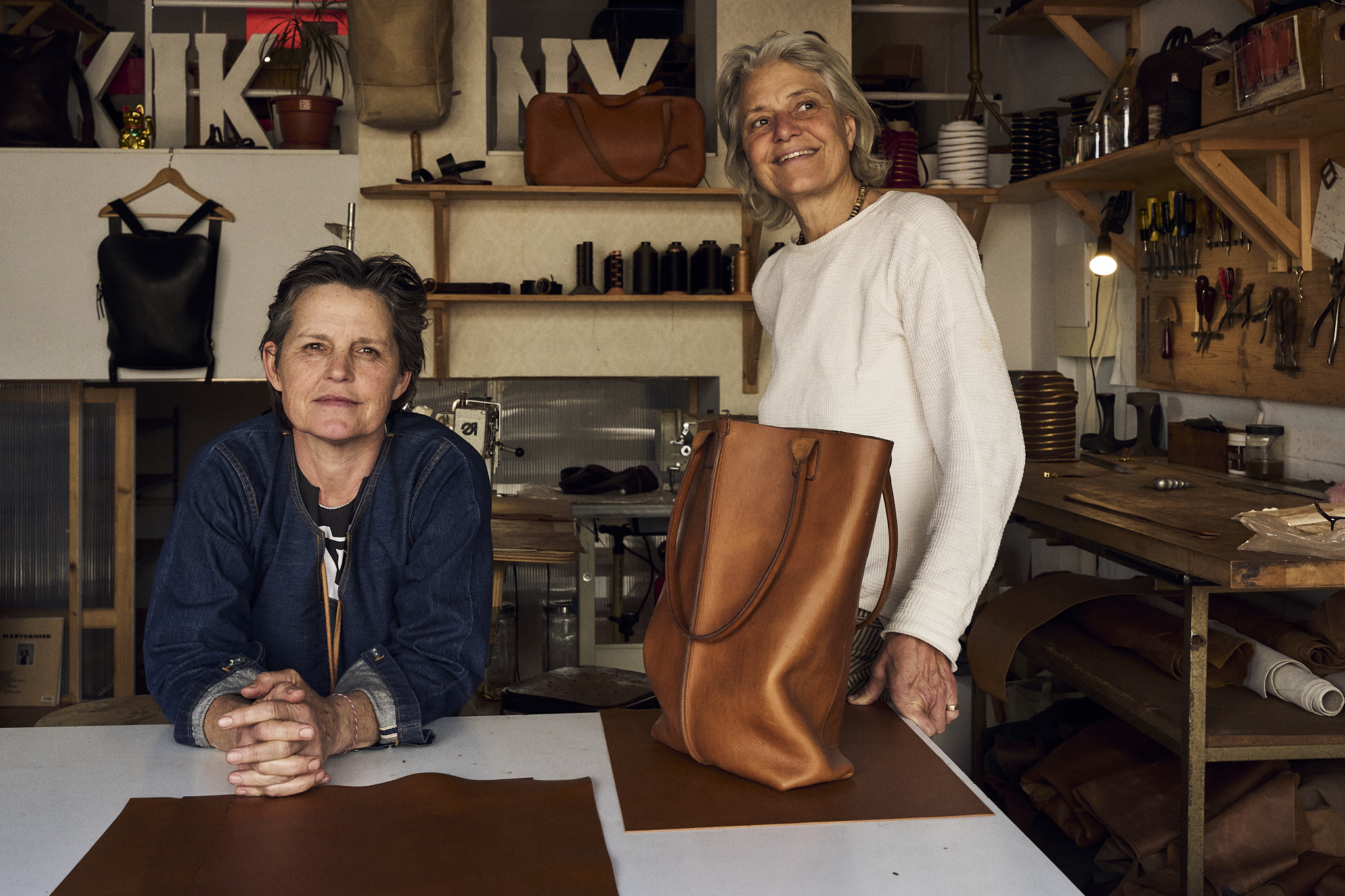
What draws a craftsperson to work exclusively with one material? For designer Kika Vliegenhart, the answer is simple. “It sounds really weird, but I love, love, love animals, and when I travelled to the Himalayas I found that all the Buddhist people around us would use every bit of an animal once it died. It gave me the sense that we also had to use as much of an animal as we can.”
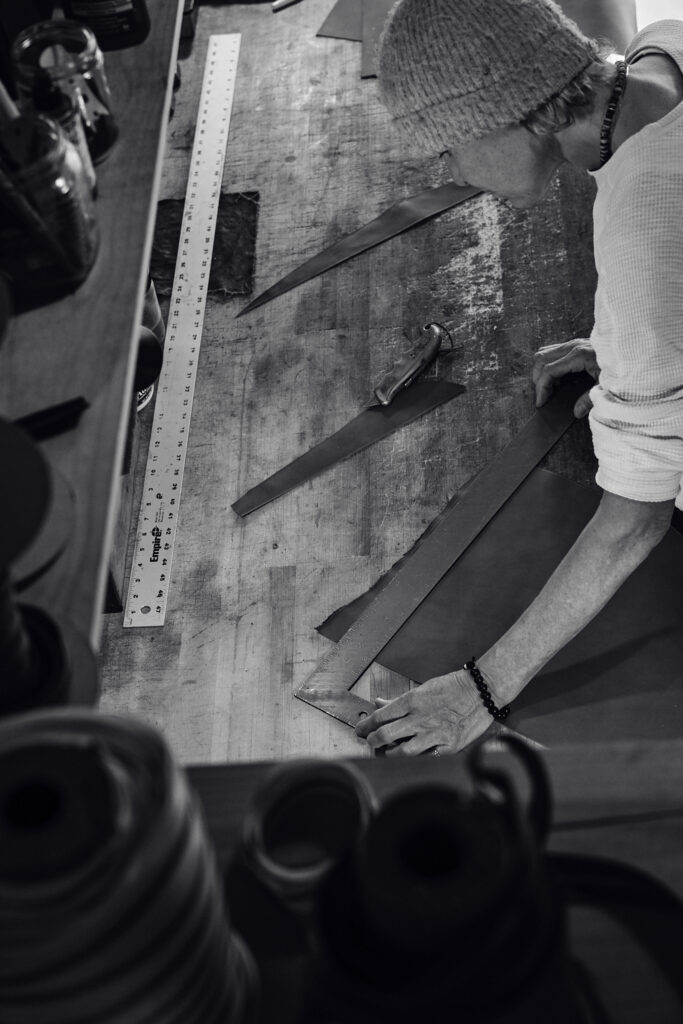
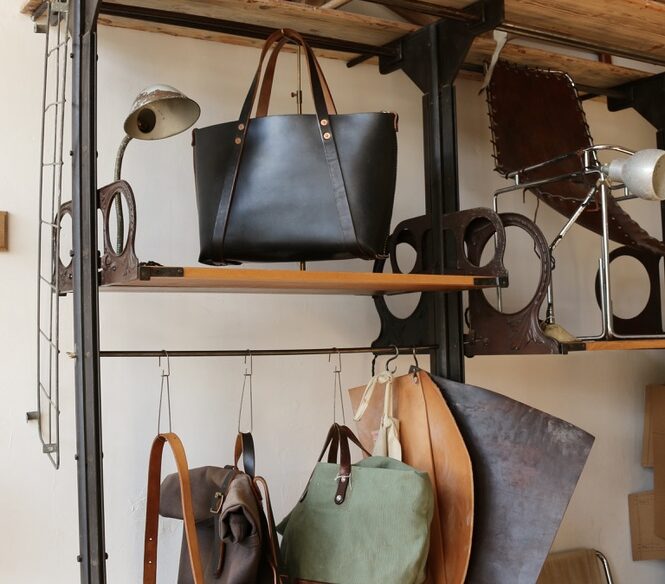
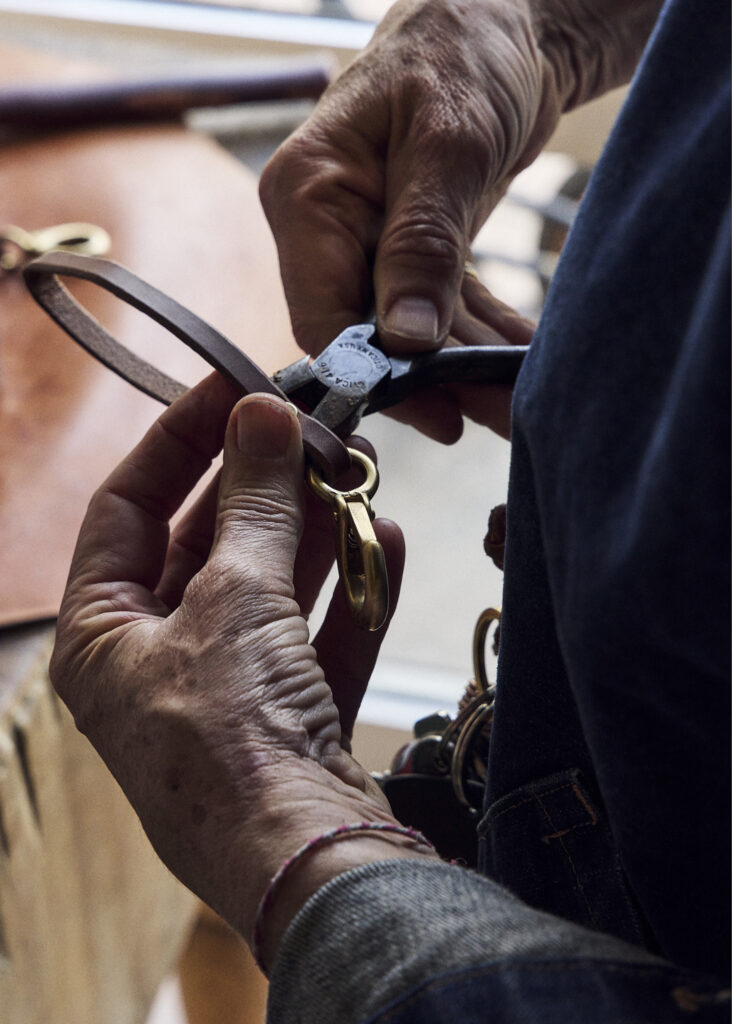
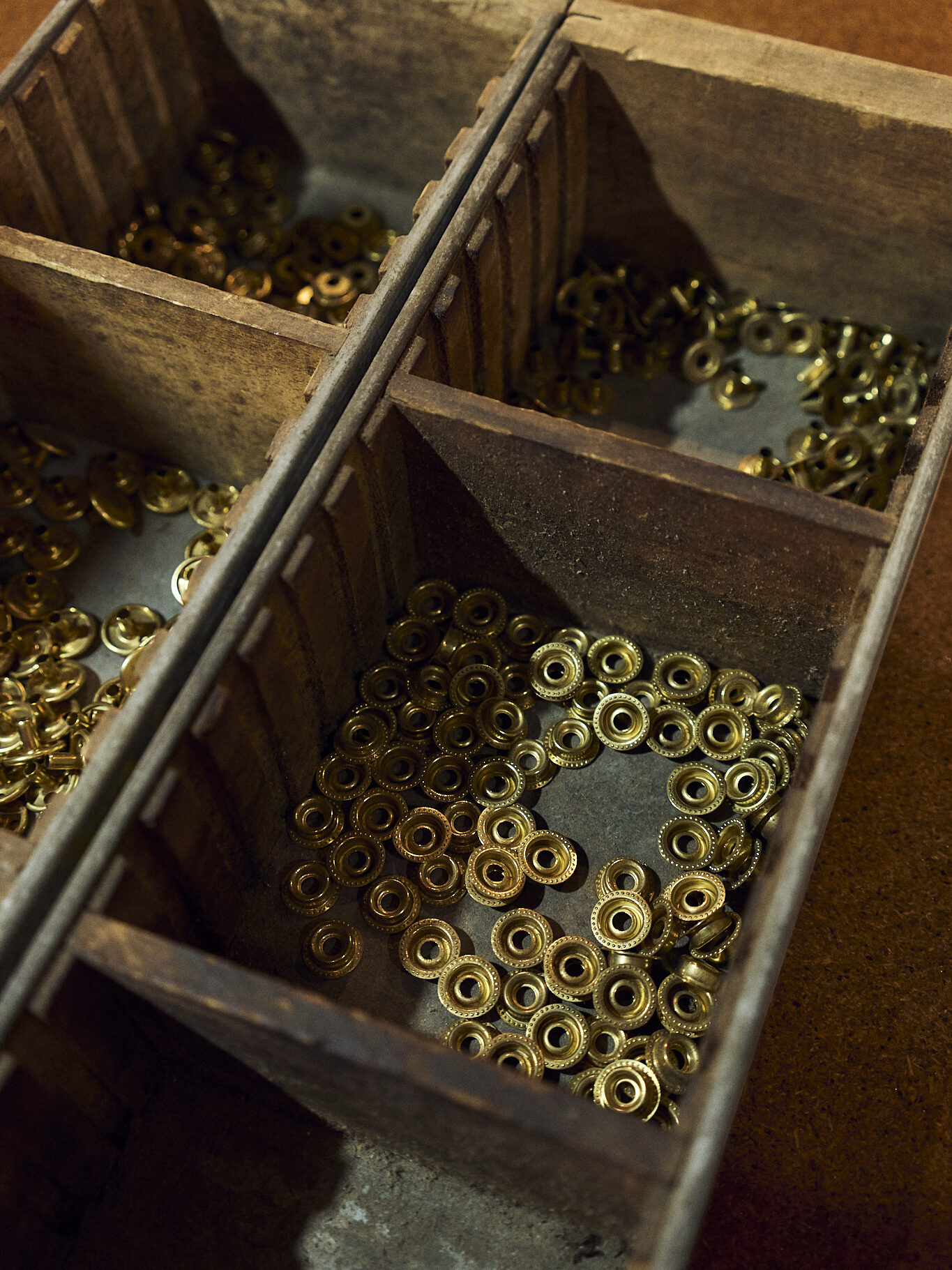
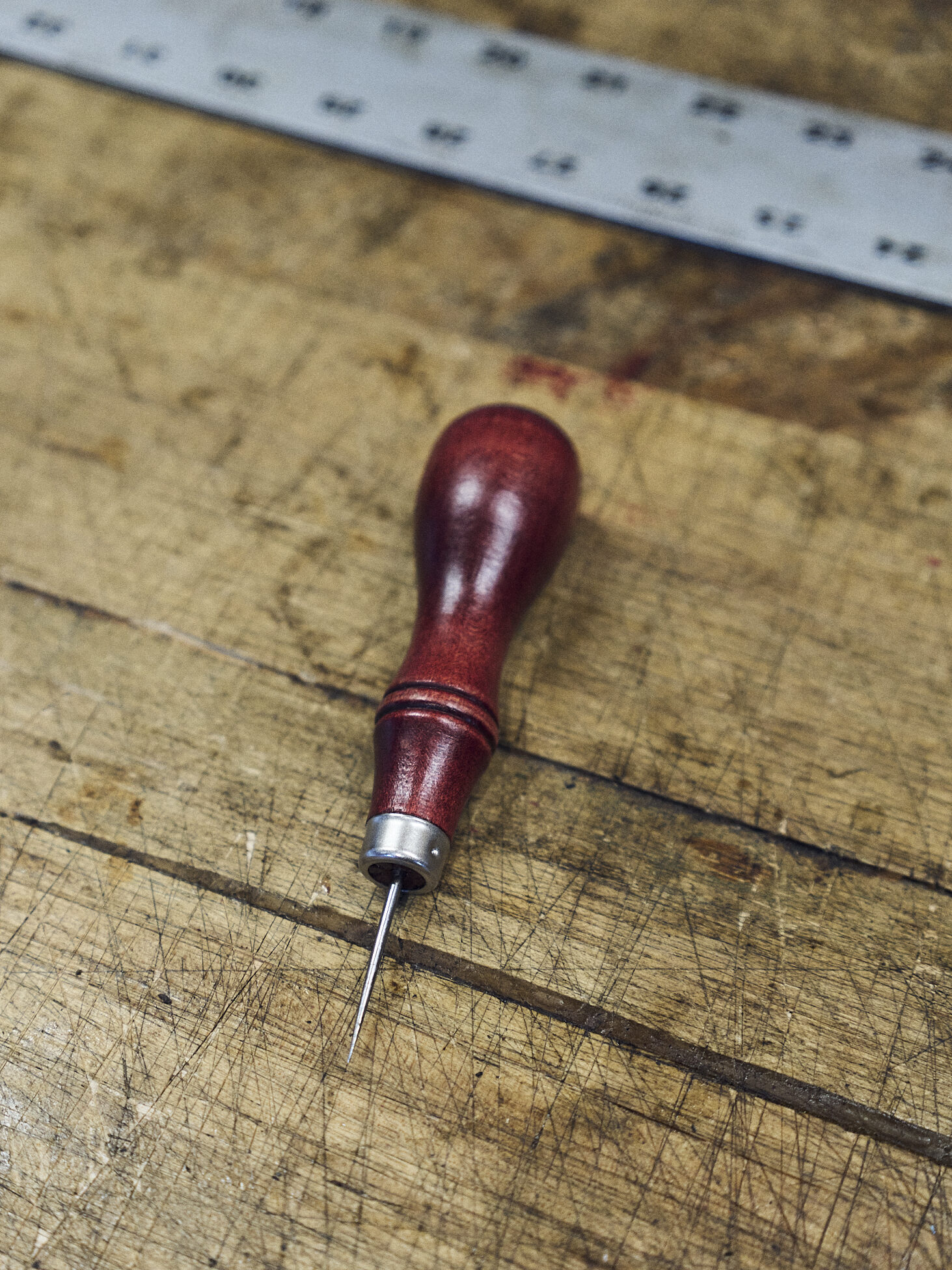
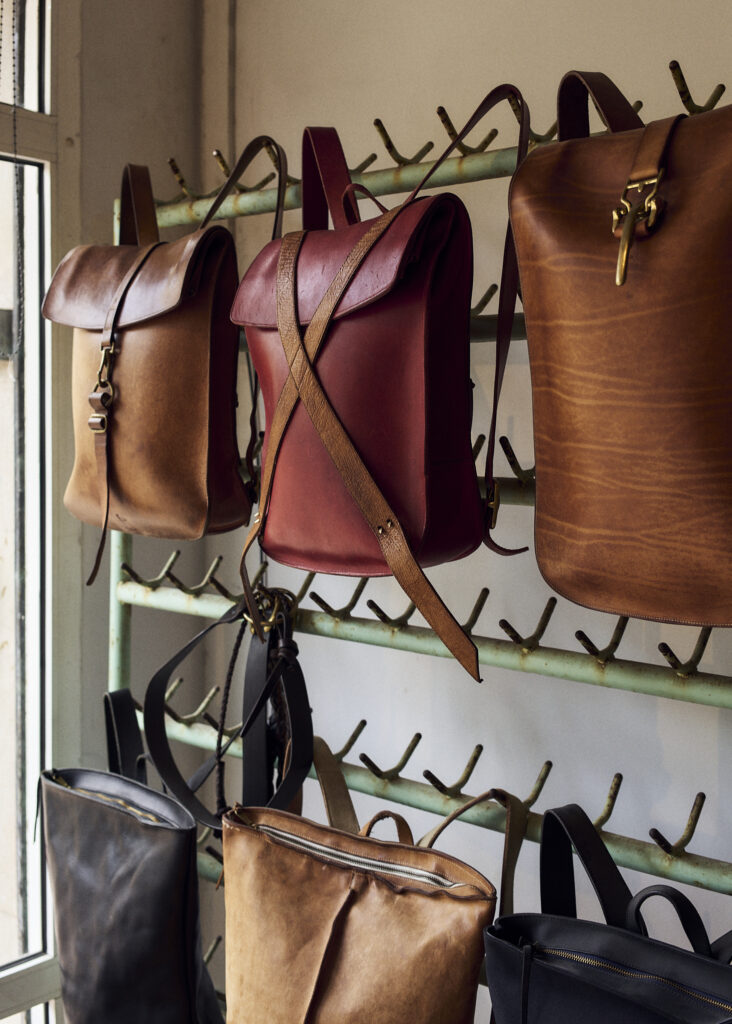
This desire to honour the whole animal in death has meant that, for the last 20 years, under the moniker of KikaNY, Vliegenhart and her partner Sabine Spanjer have worked exclusively in leather, crafting an exquisite range of made-to-order bags, luggage, accessories and footwear from the best vegetable-tanned leather they can source from their suppliers in Florence, Italy. And she’s right – that does sound like a weird way for animal lovers to spend their time. “But we want to show off the beauty of the leather,” she says. “To me, it’s an homage to the animal, to the leather and to the skin.”
Vliegenhart is quick to dive into the credentials of the leather industry in Europe, where it’s generally illegal to kill an animal just for its hide. (Hides here are a by-product of the meat industry and would otherwise be discarded.) The regulatory landscape is very different in the US, where the business was born, and so Spanjer and Vliegenhart have been sourcing European hides since the brand’s foundation.
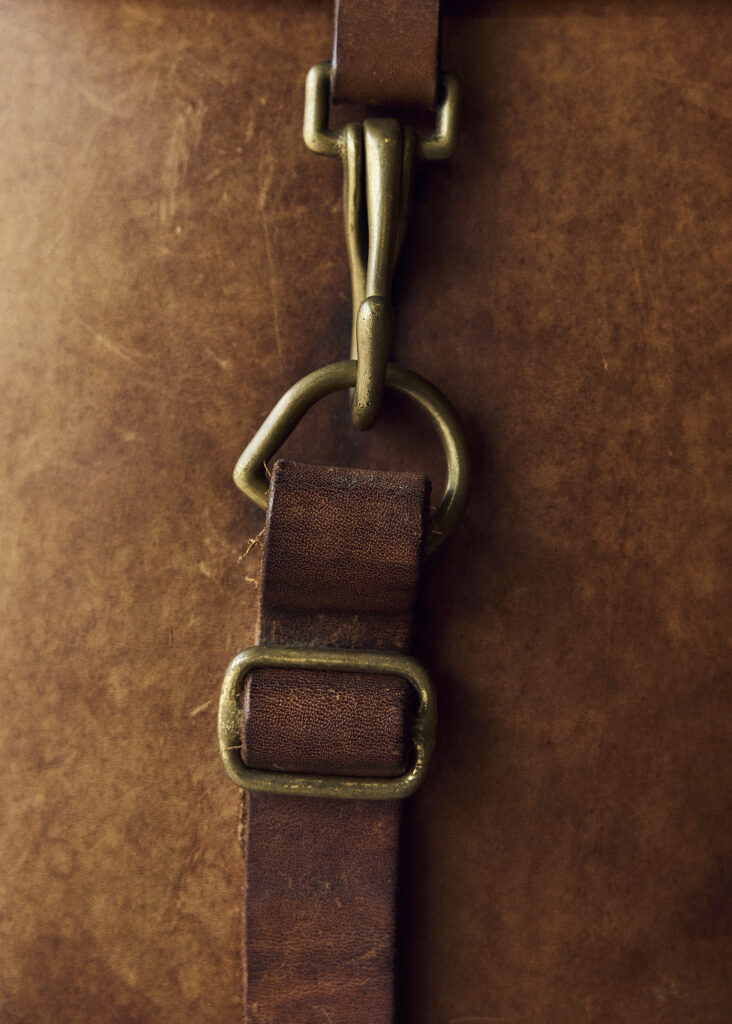
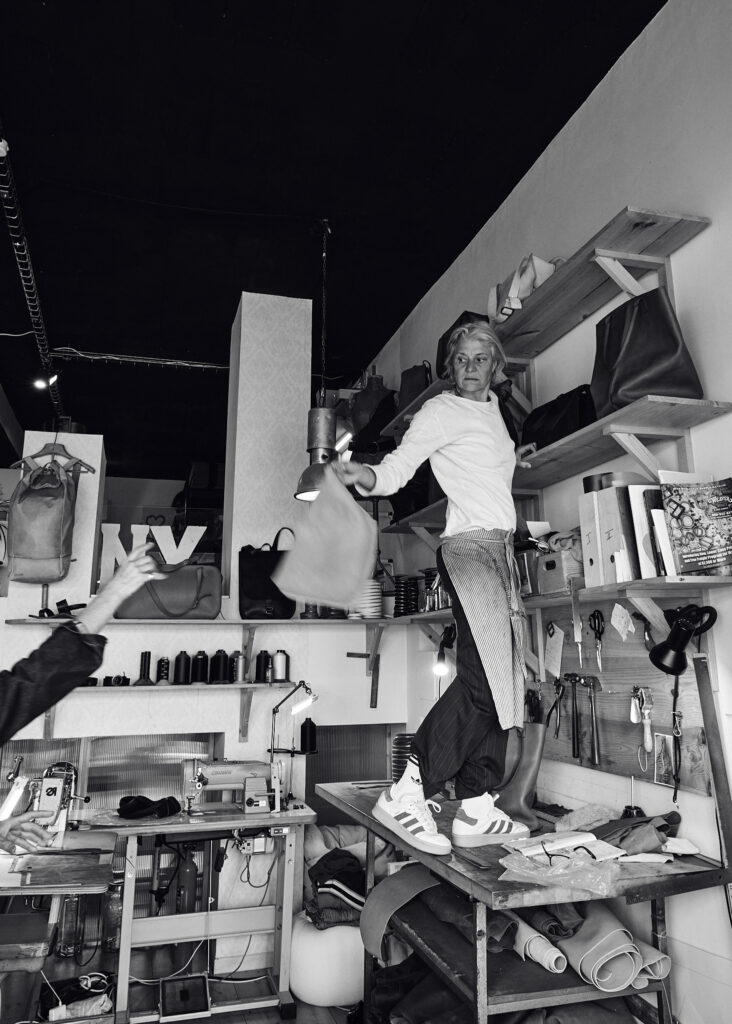
“We’d prefer it if the material was totally ethically clean,” Spanjer says. “Like maybe it’s made from mushrooms or something – hallelujah! But nothing comes close to the quality of a leather hide. Nothing is as durable or has such a variable patina.” And the traceability of each European hide is improving year on year. “When we started, sourcing leather was very shady, things were not at all clear,” says Vliegenhart. “But the rules and regulations have become transparent in the last ten years or so. Now we can trace each hide back to a single farm and a specific cow.”
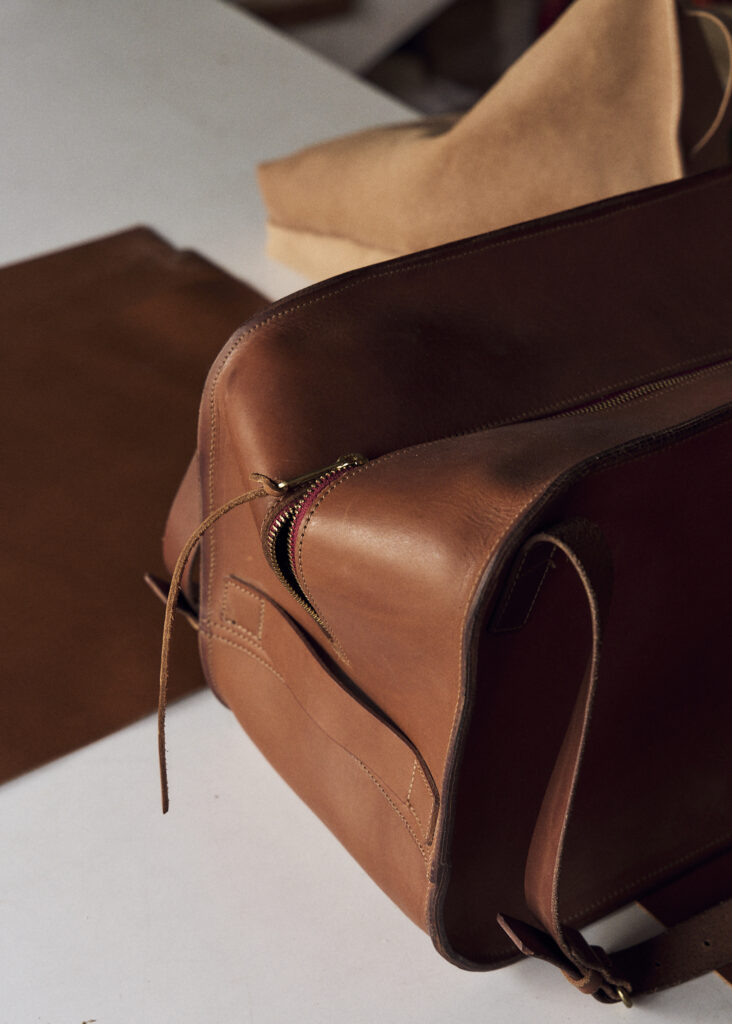
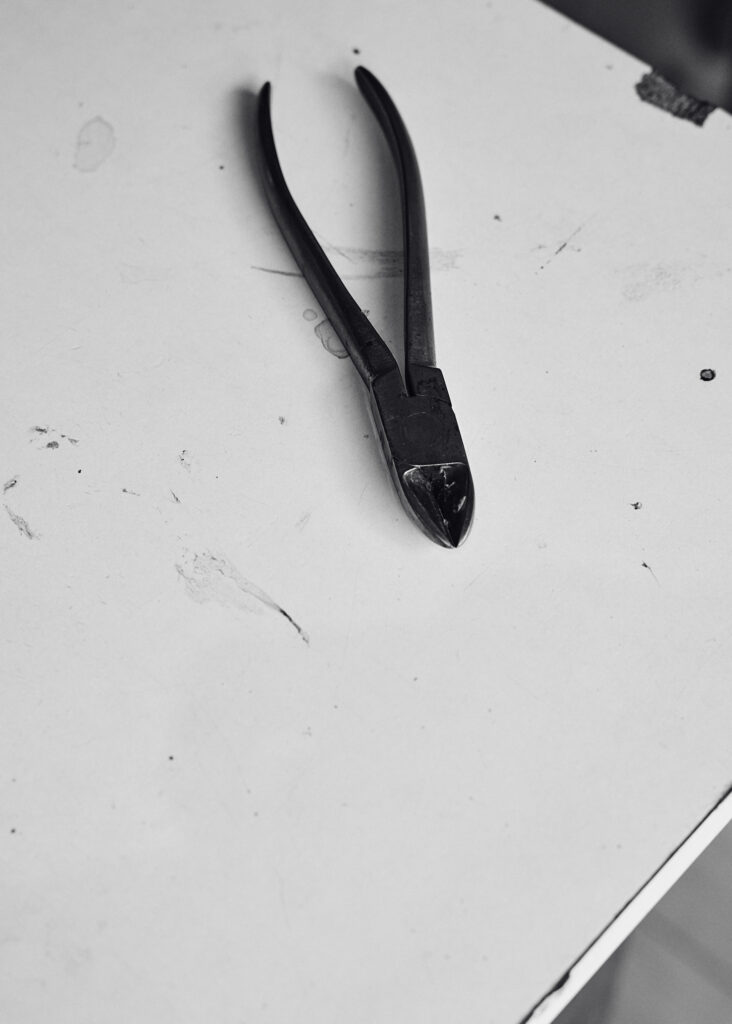
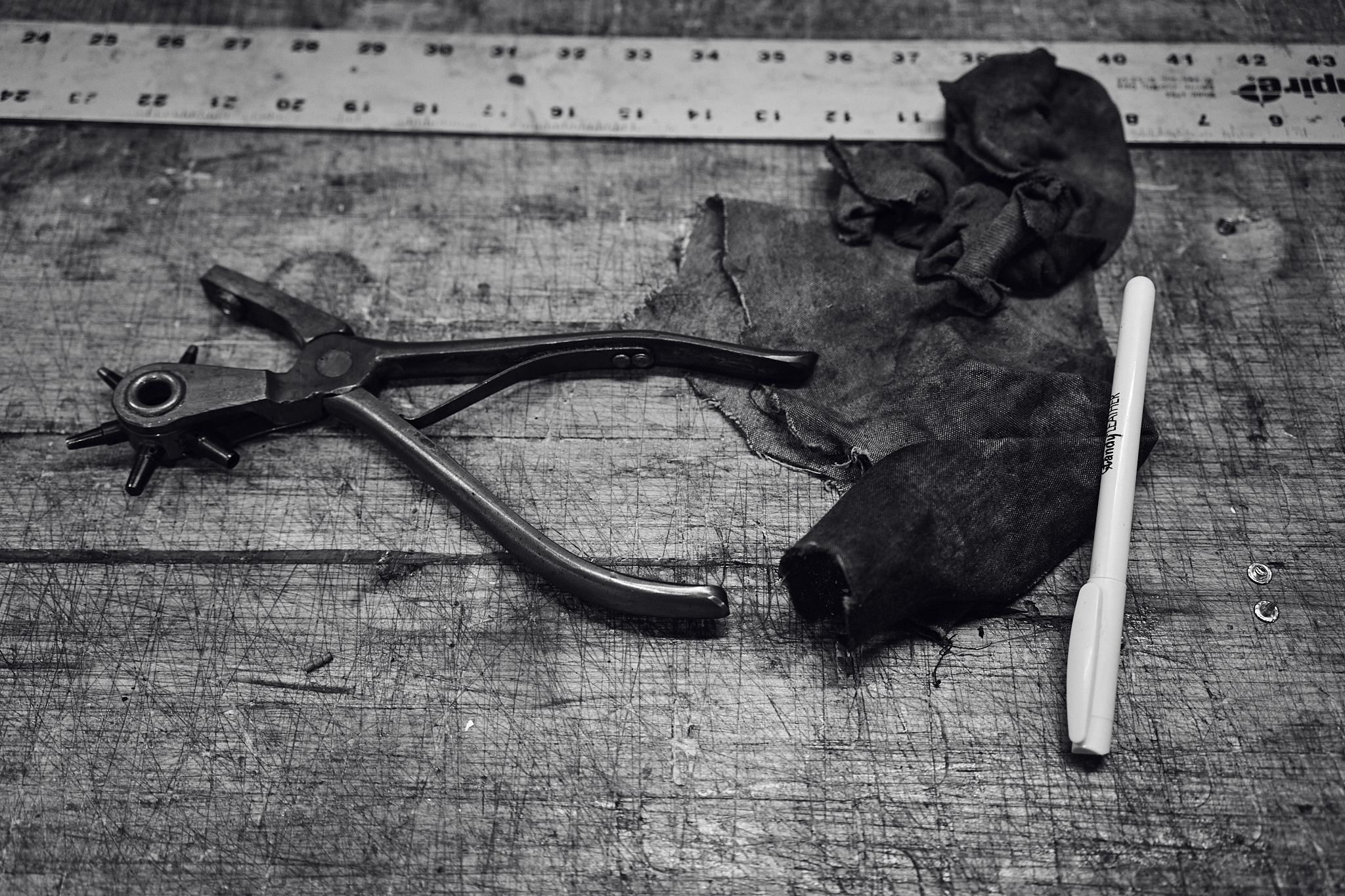
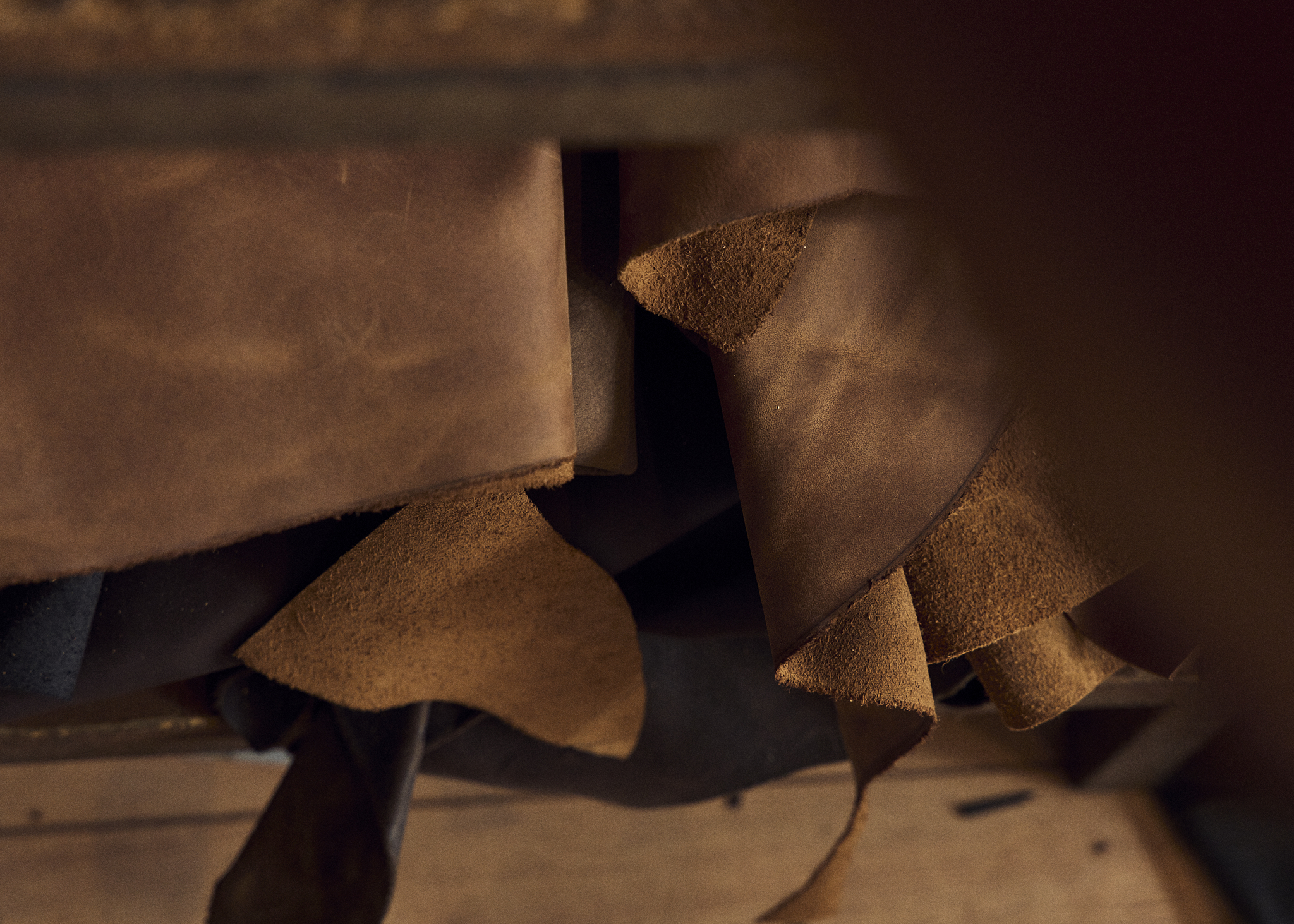
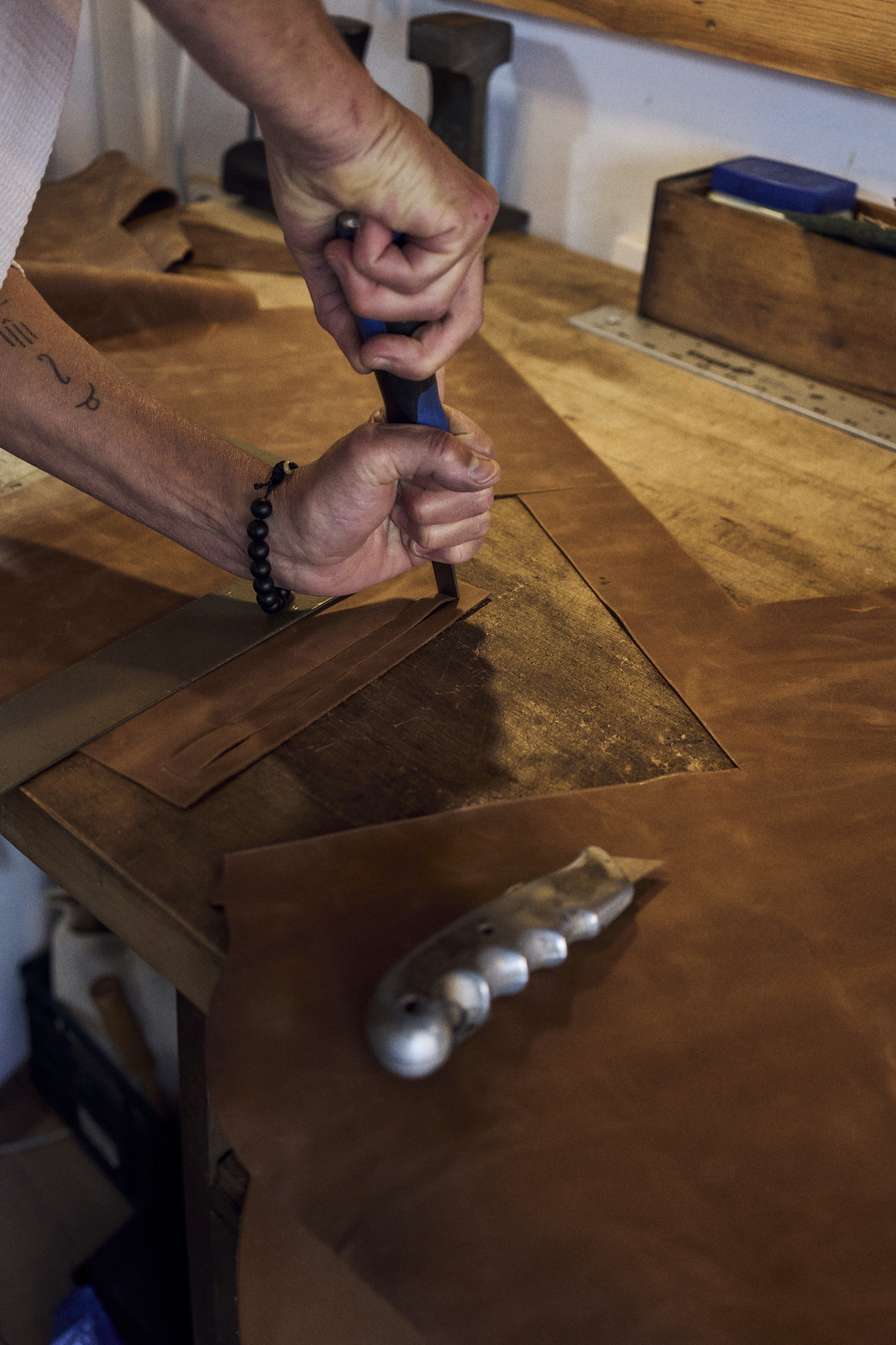
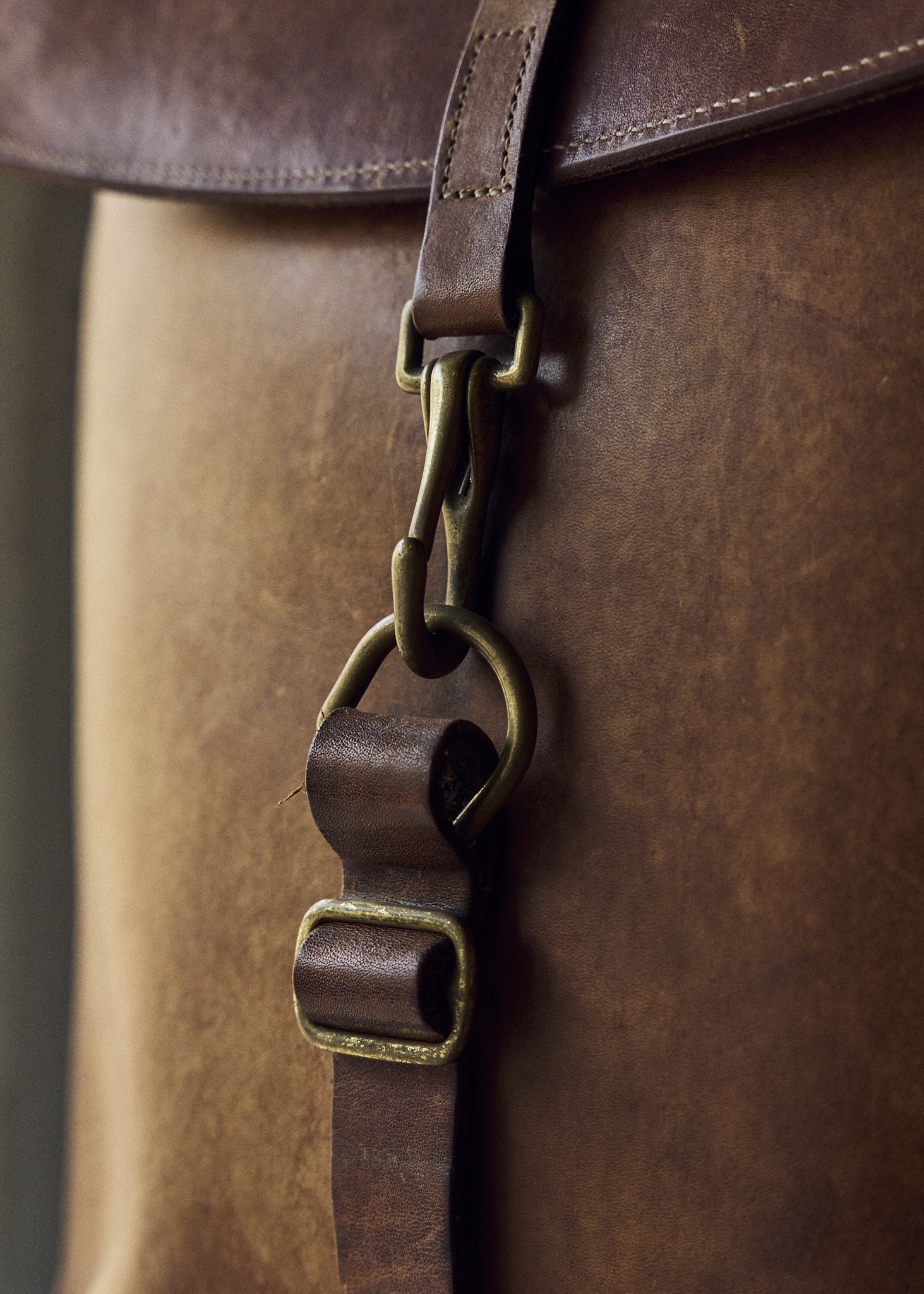
In celebration of these animals, KikaNY’s range is consciously simple, eschewing complex pattern cutting and unnecessary ornamentation in favour of functionality. Such an ethos, they hope, leaves the leather to speak for itself. “The leather is like a canvas,” says Vliegenhart, “and it just gets better over time. People will show us their bags after ten or 15 years and it’s just gorgeous the way they’ve aged and become personalised by use. You take it out in a snowstorm, or out in the sunshine, or you mark it with the grease from your hands, and it all affects the leather. It becomes unique to the owner and they give it their own history.”
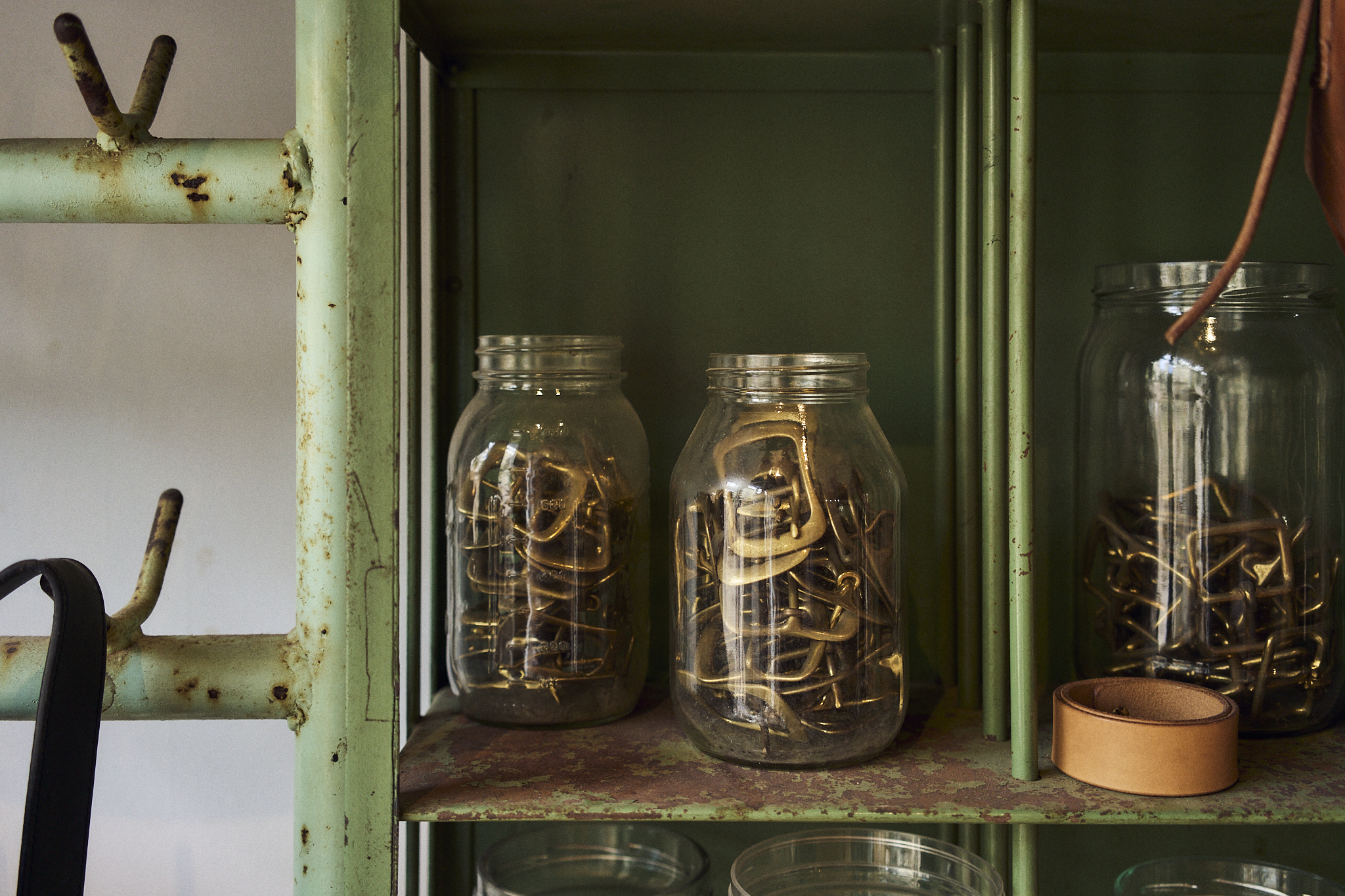
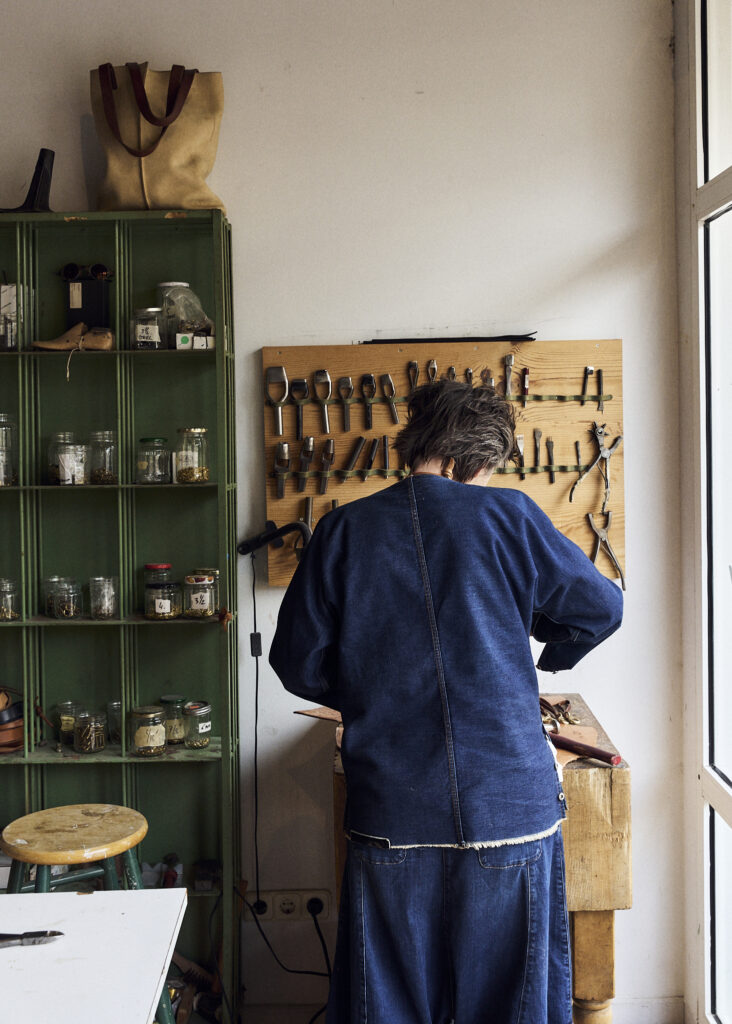
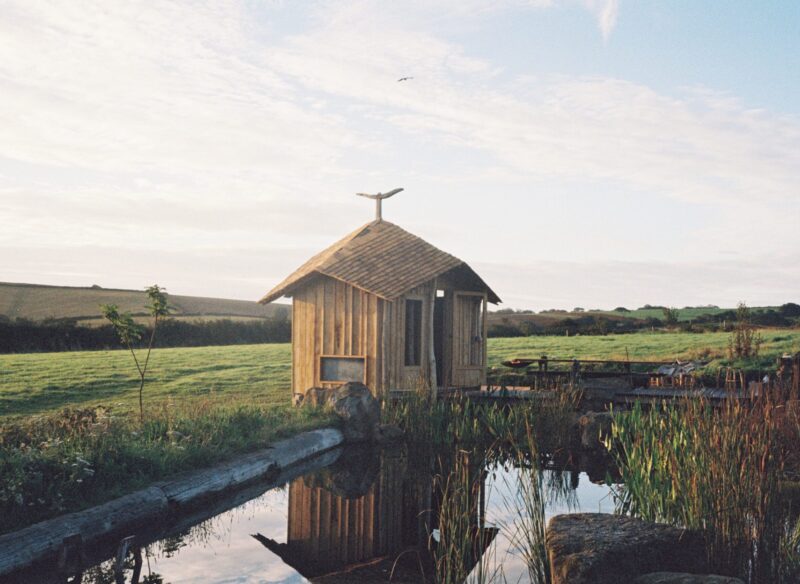
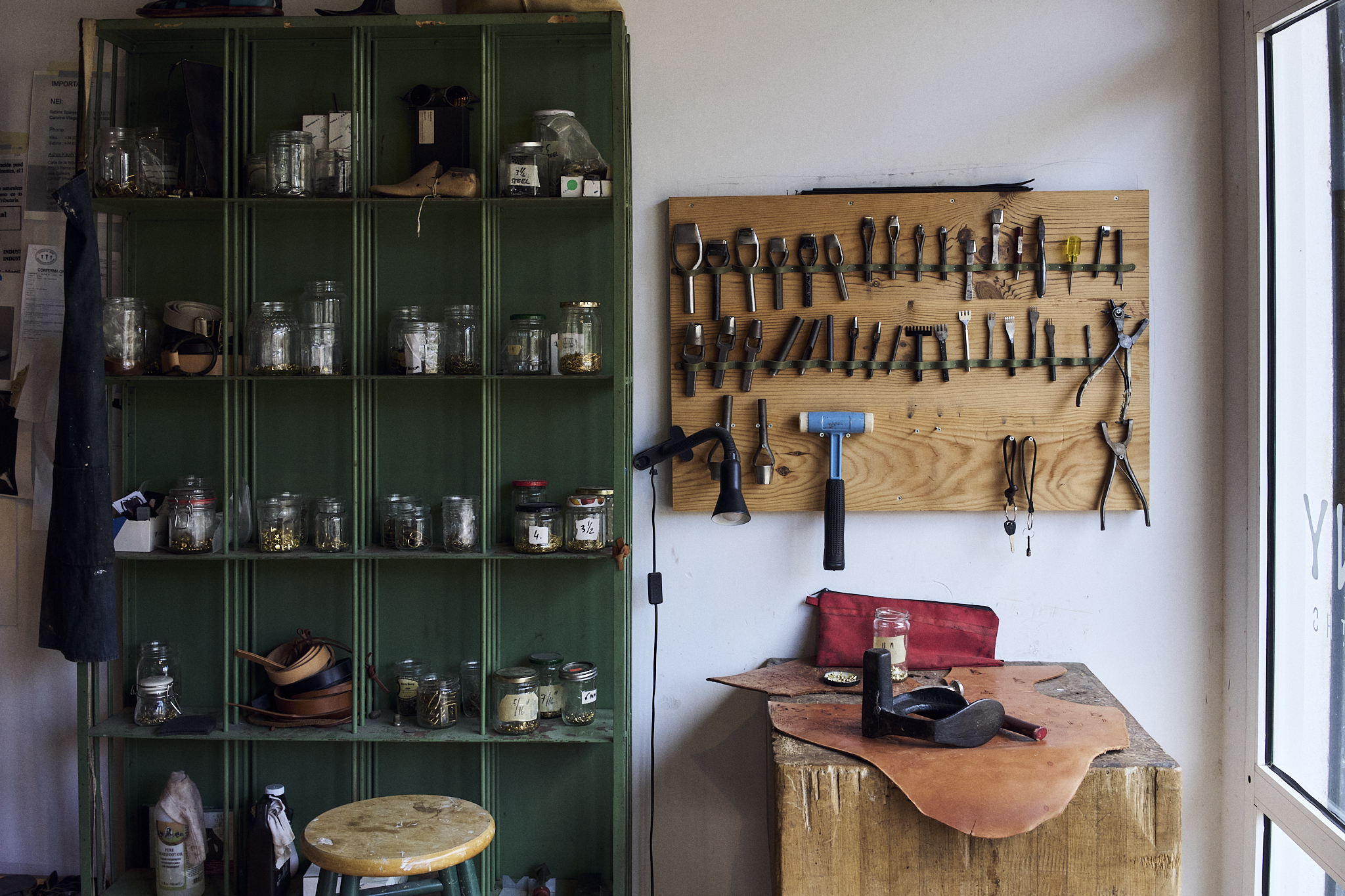
For its first decade, KikaNY operated as an appointment-only atelier based in the Brooklyn Navy Yard in New York, where Vliegenhart and Spanjer were surrounded by other artists, “making amazing, beautiful things,” says Spanjer. “Walking around that place was very inspiring.” But in 2019, after the couple finally secured green cards, they decided that a change of pace was in order, both for creative and familial reasons. On the recommendation of a close friend, they booked a holiday to Mallorca, fell in love with its natural beauty, and then permanently relocated themselves and the business there shortly after.
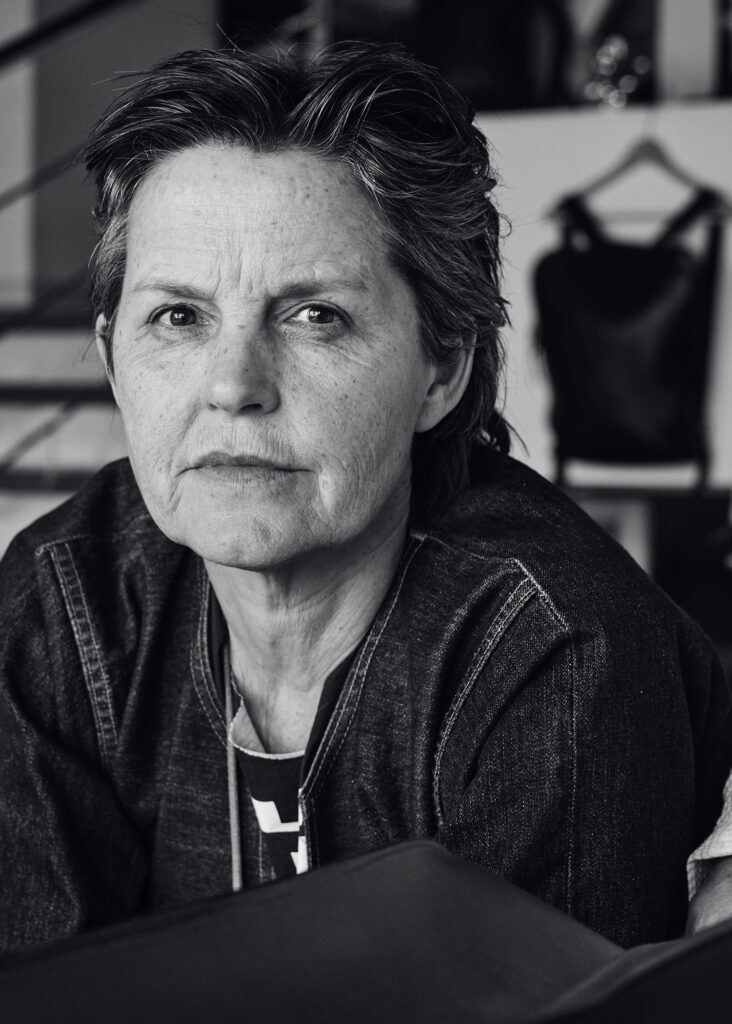
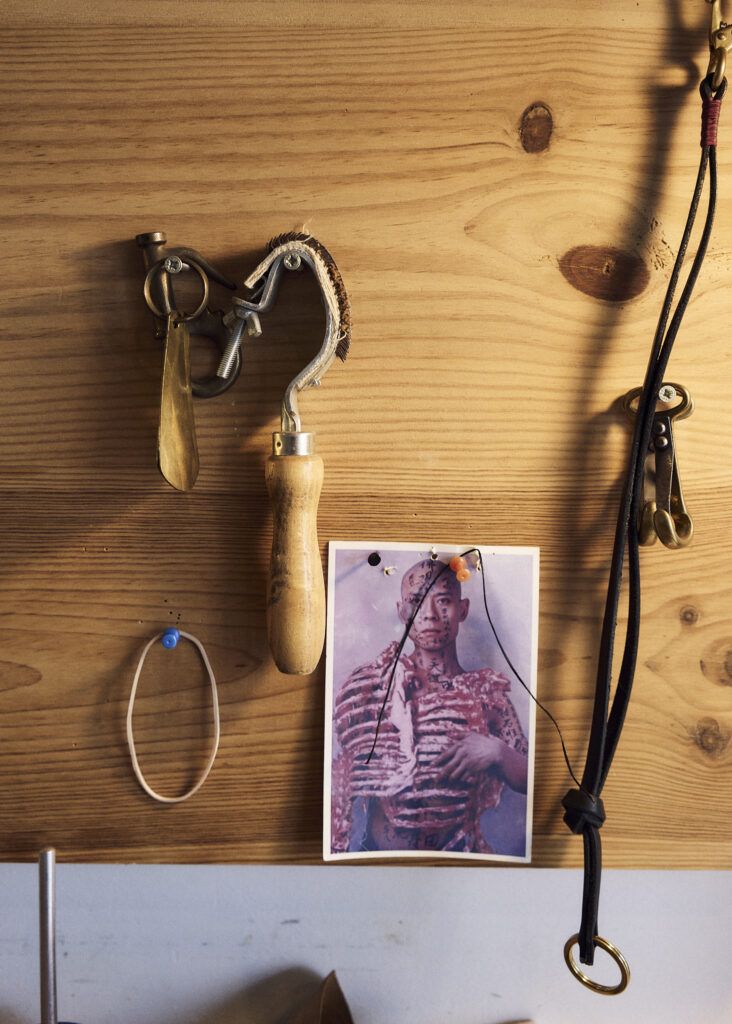
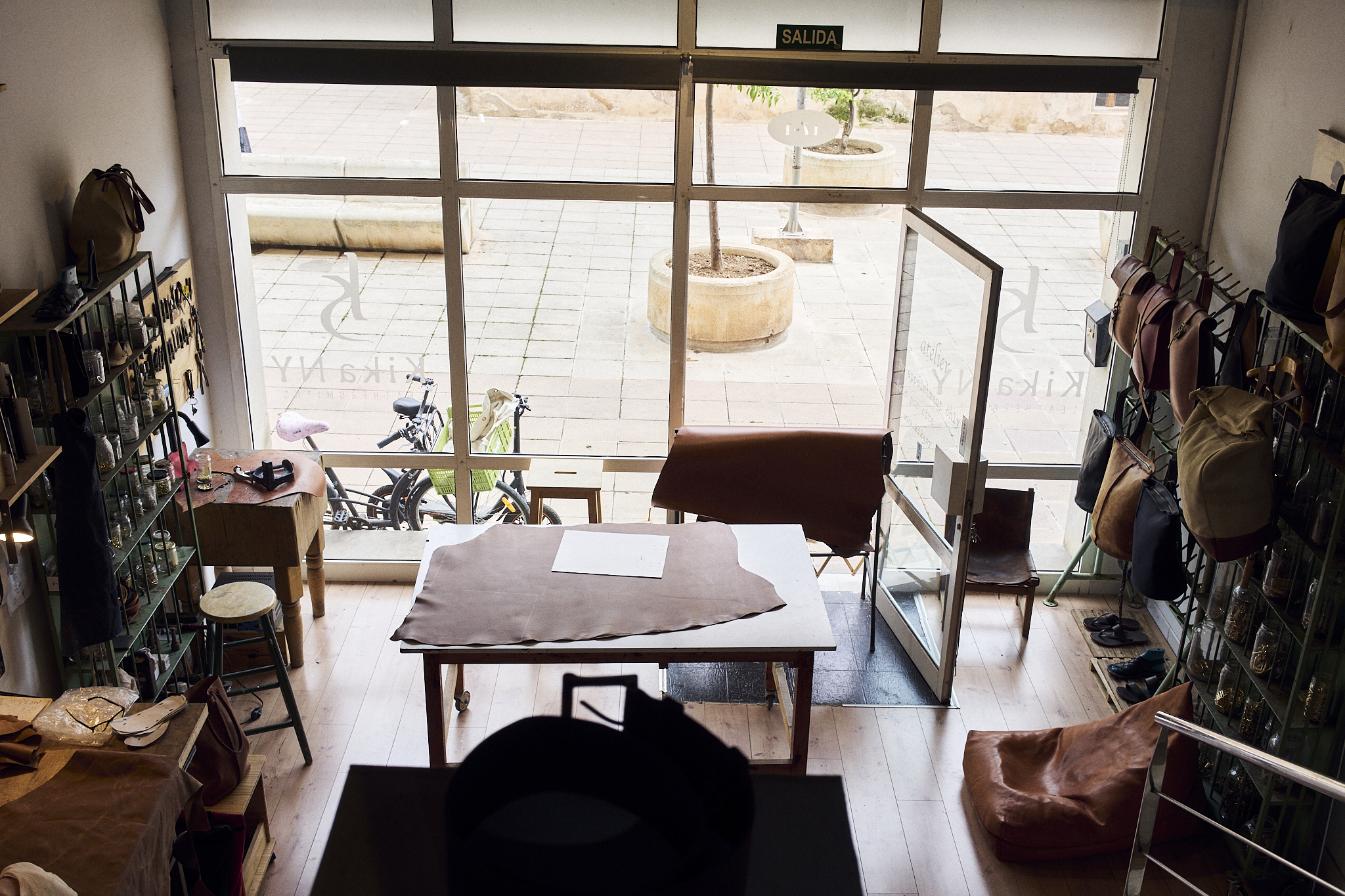
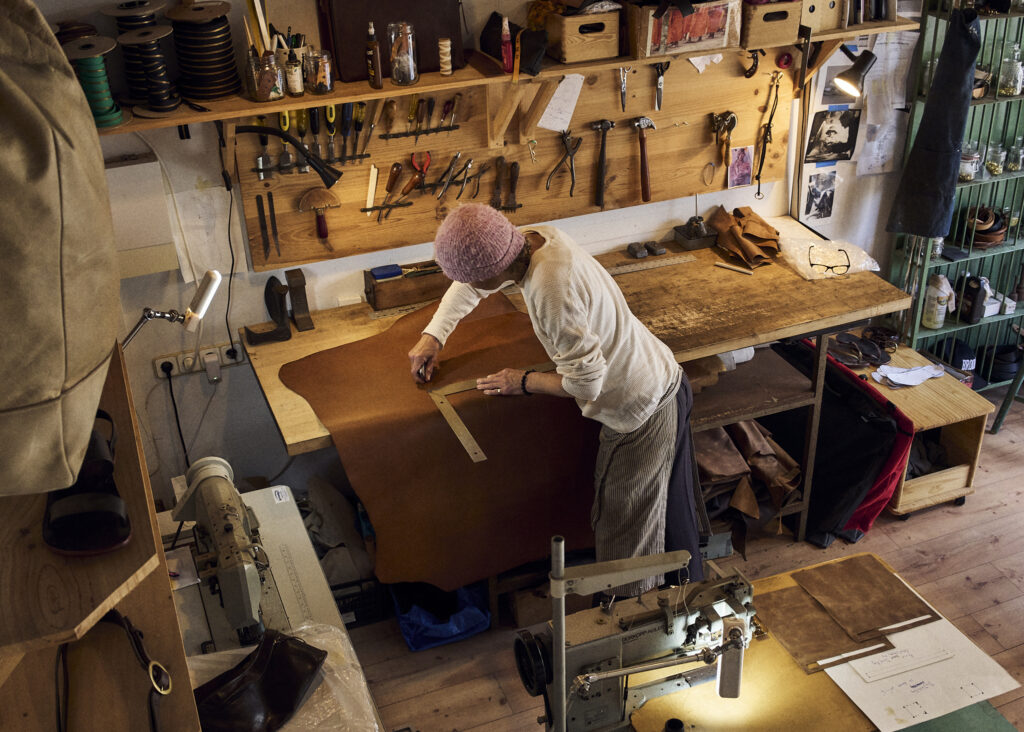
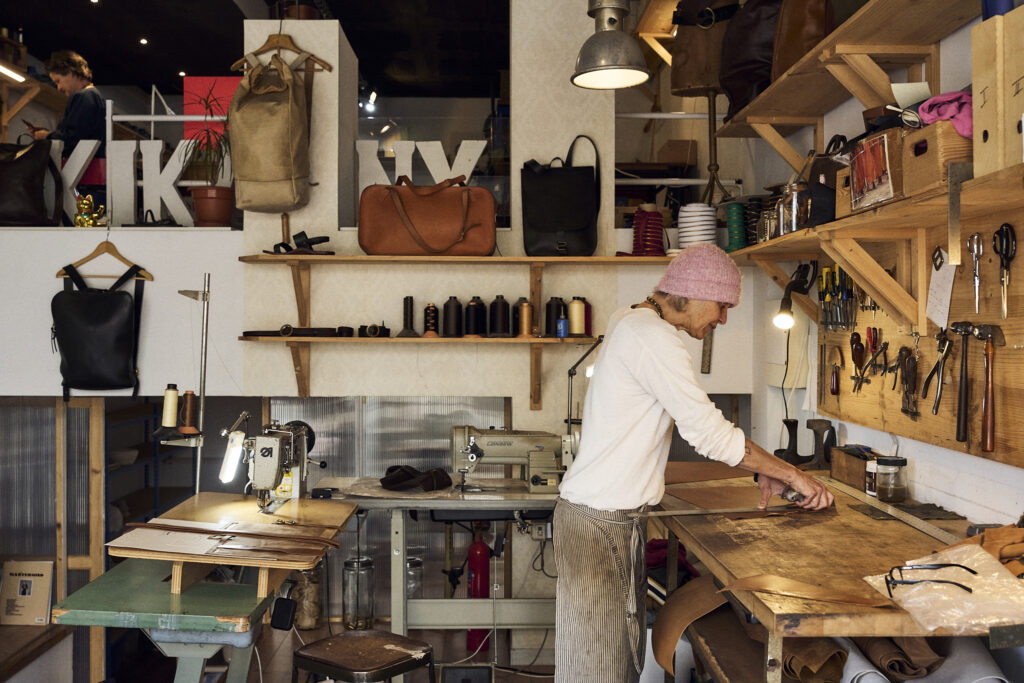
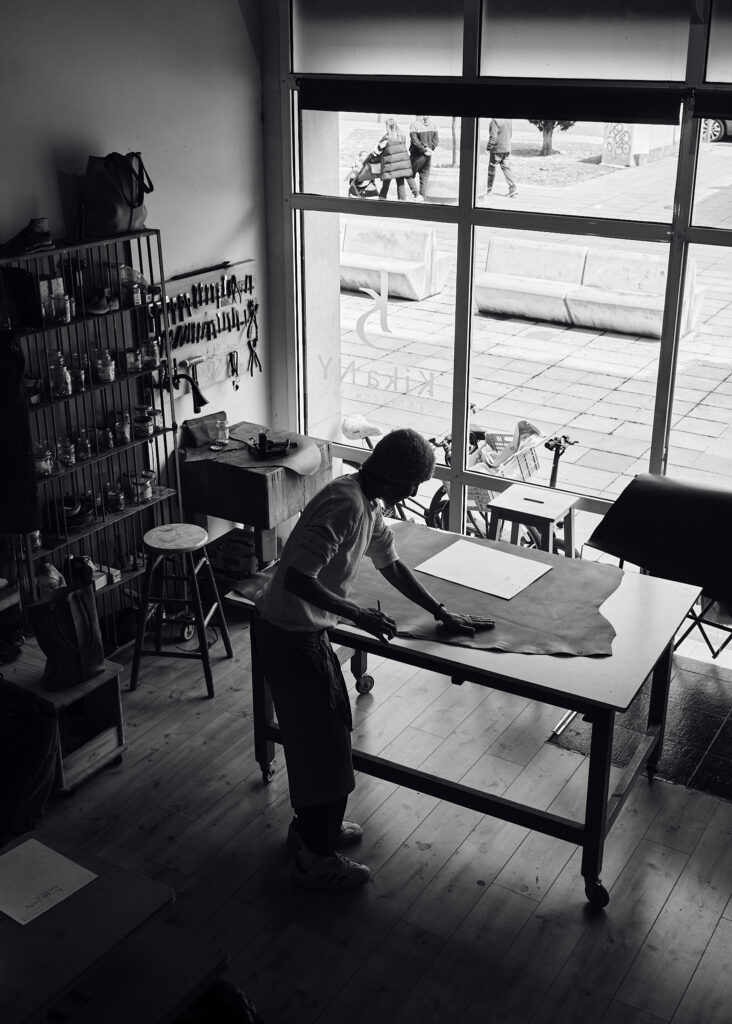
Since then, they’ve been engrossed in renovating their old farmhouse in the mountains, spending time getting to know their local community, and of course working leather. They still run their atelier by appointment only and make every piece to order, but the relocation has allowed their bright, airy studio space to feel less manic than it once did. And while they’ve produced fewer items since they left the city, both are confident that the quality of their work has improved due to their increased space for creativity.
“For me, it’s a liberation,” says Vliegenhart. “As much as I loved living in New York, and all my years there really transformed me as a person and as a creator, I needed to take all that energy and experience to another place where there’s more nature, more silence, and I can be more focused and dedicated to the pieces we make.”
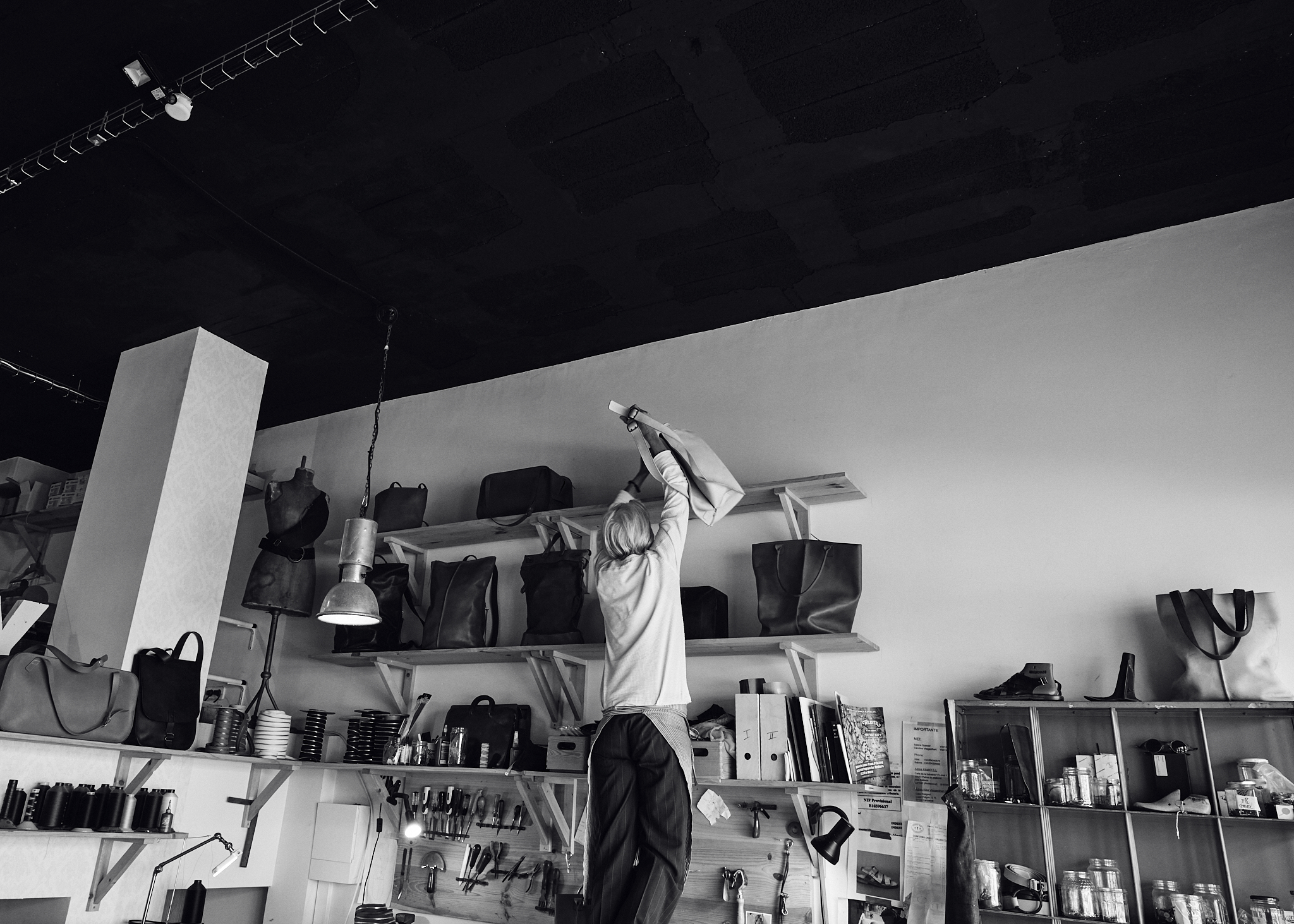
Spanjer is more measured in her assessment of the transition. “There is less pressure here,” she says, “and that gives us more space and time to create. But I’m a city woman and we were very used to our New York community. So when we got here I felt it wasn’t nourishing, like you shouldn’t go to Mallorca for culture. But the more people you meet and the more you invest in the island, the more you find that your inspiration starts to come from elsewhere. You see beauty in different things.”
There is, she says, a certain change in mindset necessary when moving from the city to the country. The city, though busy, is a place where you can engage passively with its energy: watching people on a commuter train, grabbing coffee, visiting the theatre, going to concerts. By contrast, the natural world requires you to actively engage.
“You need to make some effort with nature,” she says. “Now I’m like, ‘I’ve got to have my hands in the earth, I need to learn things about trees and flowers and how to grow my own food.’ That doesn’t come naturally to me, which is funny. But now that I’m engaged, I feel I have a lot of abundance.”