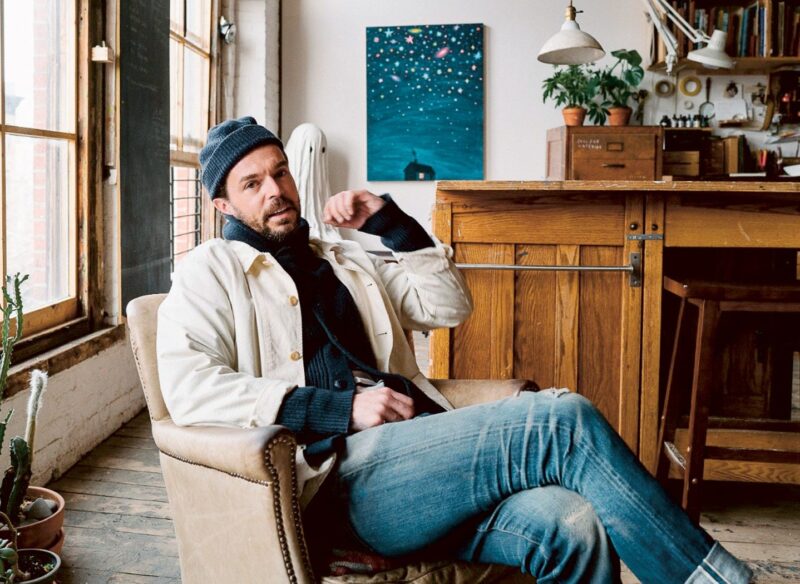
Cameron Saul reveals ‘the most alive place on earth’ he has ever experienced
In 2012 he started the Bottletop Fashion Company with co-director Oliver Wayman to fund the foundation, which supports young people in countries including Rwanda, Brazil and the UK.
Photograph Maiha Ramajorie
A ‘hole-and-corner’ is an old English term meaning a secret place: somewhere you go to escape the world, to be inspired and to contemplate and create. Where is your hole-and-corner?
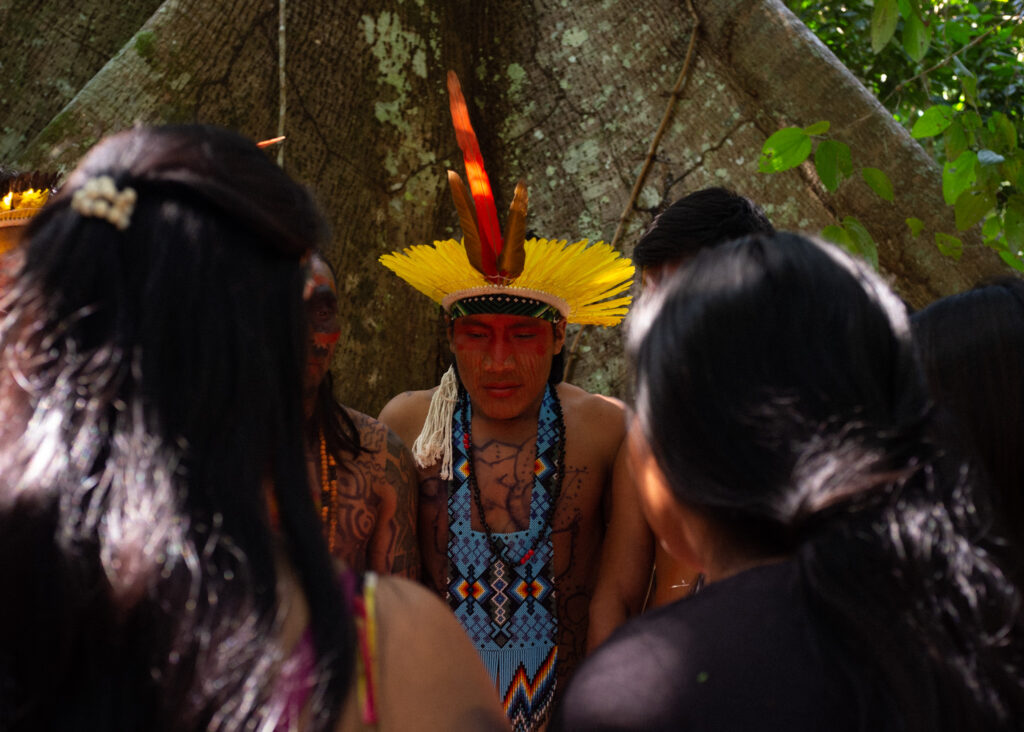
After 24 hours of travel from São Paulo, deep in the south west corner of the Amazon Rainforest, we meet the fast-running Gregorio river, stretching its arms out towards Bolivia. We board a slender metal canoe and gradually make our way down the river, deeper into the Amazon, with thick, tall forest leaning in on either side. After another five hours of weaving deftly between trees, branches and other forest matter we will arrive, if we are lucky, before sunset at the Matrinxã community of the Yawanawá peoples. Inevitably the whole community will be on the bank of the river for a warm, noisy and colourful welcome.
Can you explain why it is so special to you?
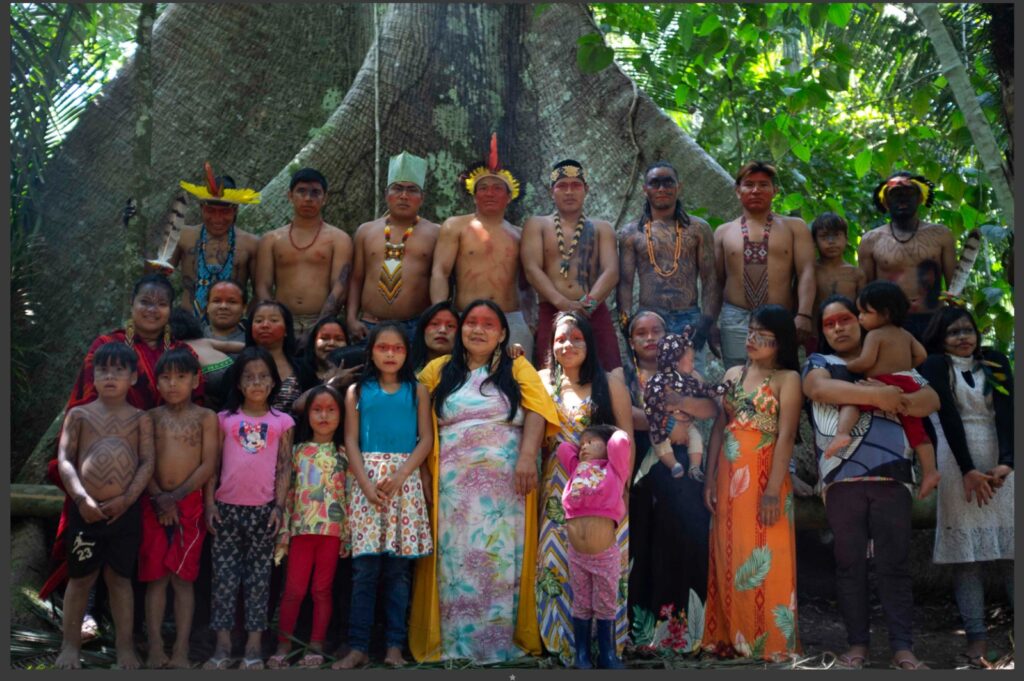
It’s the most alive place on earth that I have ever experienced. The Yawanawá occupy 250,000 hectares of the Amazon and have been living there for millenia. Despite having been enslaved and attacked over the years, they continue to fight to preserve their way of life and in doing so, over 95 per cent of the biodiversity of their lands remains intact. We sleep in hammocks in the forest and the sounds of nature in all her majesty wash through you, piercing your very core. To spend time with people living in harmony with nature is a very powerful thing. The Yawanawá regard the whole community as an extension of their family and instinctively look after one another. That mentality and way of being extends naturally to the forest and ecosystem in which they live.
Is it important to you to have somewhere to escape from the hustle and bustle of life?
In order to continue to stay focused, creative and effective, especially when under pressure, I find that it’s essential to have somewhere to escape to. Sadly I’m only able to visit the Yawanawá in the Amazon very rarely, so day to day I use meditation to access that place to replenish and rejuvenate and play music – I sing and song write – or I go for a run to the seafront in Brighton where I live, to fill my lungs with fresh, salty, sea air.
Is it private to you or do you let other people visit?
I’m looking forward to taking some friends to meet the Yawanawá when I’m next in Brazil. Since I spent time with them at the start of January 2020, we [Bottletop] have created a partnership to support the expression of their culture and way of life with a Rainforest Workshop & Atelier.
What elements do you think make a perfect hole-and-corner’?
For me, the elements that make a perfect hole-and-corner help us to find inspiration, reconnect with ourselves and those that we love, and with nature. On that basis we could think of all indigenous lands as the most perfect hole-and-corners! Indigenous peoples protect more than 85 per cent of the world’s remaining biodiversity, despite only being 5 per cent of the world’s population, so precious places like this will continue to become even smaller ‘corners’ unless we can support them and learn from their world view and approach to the living world.
What elements and benefits of your hole-and- corner are you able to keep with you after you’ve left the physical space?
Each time I have left the Amazon I have felt a deep sense of gratitude, combined with a sincere determination for us to preserve and protect the natural world. Finally, after nearly two years of development, we have a physical symbol – a seed of hope – from the heart of the Amazon that we can keep and wear, to keep those feelings and dreams alive and help inspire us to take action.
The first design from our Rainforest Workshop & Atelier with the Yawanawá is a unisex band made from açai seeds; the natural byproduct from the community collecting the berries to make juice for themselves, which keeps them healthy and strong. They dry the seeds, file them into different shapes to make beads and paint them by hand with natural dyes. Our #TOGETHERBAND campaign with the UN Foundation sets out to engage people in awareness and action to support the delivery of the 17 Sustainable Development Goals by 2030. Each Goal has a different colour, so our first ‘Yawa Band’ design features all of these bright, beautiful colours. They are woven together onto Parley Ocean Plastic thread (made from marine plastic waste) and one single seed is cast using illegal firearm metal from conflict zones.