Emily Nixon on how the ‘seaweed-covered, craggy granite’ of Penzance informs her art
Nixon cites the beaches of West Cornwall, where she lives, as her main source of inspiration when designing the naturally sea-worn pieces she has become renowned for.
Words Laura Vent
Photograph James Bannister
After studying fine art and textiles at Goldsmiths College and the Warsaw Academy of Fine Art, Emily Nixon became the curator of her own art gallery in Edinburgh before moving to the Newlyn Art Gallery in Cornwall. She began experimenting with making jewellery in 2000 – the sculpture and tapestries of her early art practice and her love of the visual arts, combined with the weathered flotsam and the shapes of the seaweed and pebbles of the beach in West Cornwall, are at the heart of Nixon’s playful, naturally sea-worn pieces. She shares the special place on the beach that is her inspiration and refuge from the noise of everyday life…
A ‘hole-and-corner’ is an old English term meaning a secret place: somewhere you go to escape the world, to be inspired, to contemplate and create. Where is your ‘hole-and-corner’?
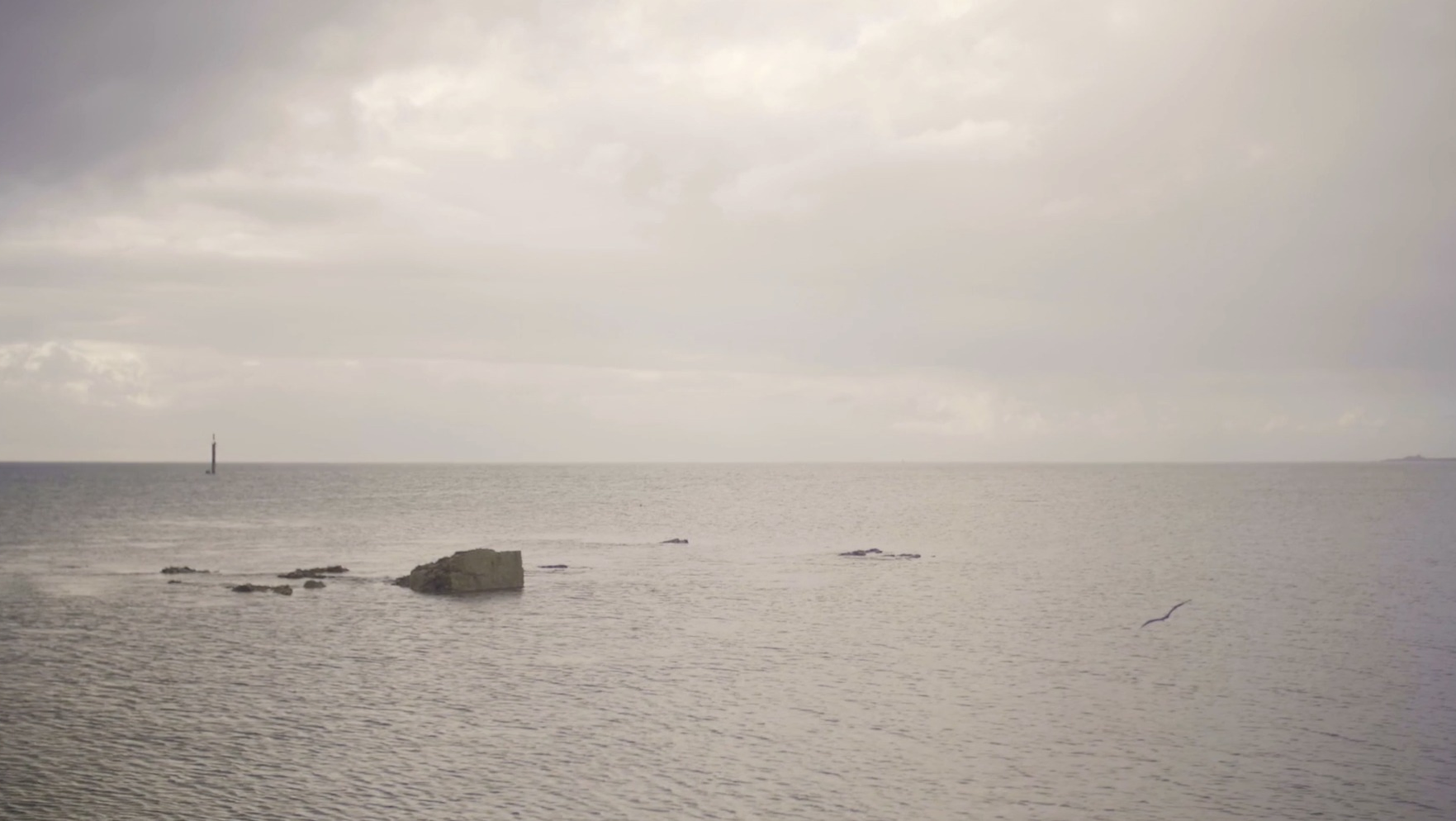
My special place of contemplation is the area of seaweed covered, craggy granite and watery pools of the Battery Rocks behind the Art Deco Jubilee Pool in Penzance. Early morning, as the rising sun makes the water towards St Michael’s Mount glow and the ripples twinkle like diamonds, is my special time to be there. When the tide is out the exposed little shingle beach is strewn with seaweed treasure; oarweed, dulce and kelp fragments with their curling and twisting furls, are like gifts from the sea. I love to lie on my back in the water. Ears submerged, I hear only the sounds of the lapping tide and deep stillness and quiet. I gaze upwards at the blue or grey of the sky, the patterns of cloud; this morning’s mackerel sky stripes stretched across the wide openness. The kelp strokes my skin and I feel the wind on my face and smell the salt and seaweed. The colours of the water like sapphires in teals, blues, greens and greys.
Can you explain why it is so special to you?
When you are in the sea you feel totally immersed in the natural world, it stills the mind and in that stillness creativity often surprises me. The little fragments of seaweed dried by the sun are in a palette of deep green, rosy pink, lime green and rusty brown. Folds and frills, wavy ribbons; shapes I can reinterpret and explore in my designing.
Is it important to you to have somewhere to escape from the hustle and bustle of life?
It is essential that I can escape to the rocks and immerse myself in the sea to forget the noise of everyday life and get back to the essence of why I do what I do. When I am there, usually at first light before the town wakes up, I feel my most inspired.
What do you like to listen to when you’re working (and why)?
When I’m in my hole-and-corner I love the stillness and peace. The waves on the shingle, the birds. At my bench, I’m an avid Radio 4 listener or I’ll enjoy an audio novel – I’ve just finished listening to The Salt Path by Raynor Winn. The tap and whir of tools from the bench fill my workshop with a rhythmic background buzz.
What elements do you think make a perfect ‘hole-and-corner’?
Somewhere that you can escape to often – so ideally not too far away. You have to feel calm and content there – thoughtful and relaxed. Icy water and lots of seaweed for me.
Is it private to you or do you let other people visit?
If I’m there at dawn it is rare to see anyone, but occasionally like-minded people come down to enjoy the rocks and swim. Their love of the water and the endorphin smiles we all share makes it even more precious, like a secret only we know.
What’s the best advice you’ve ever been given?
To appreciate the art of nature, to develop your own visual language, to remain true to yourself and stay focused by the source of your ideas. I share this advice to others starting their journey – at the end of the day it’s the ideas that are of primary importance; you can learn techniques but creative ideas come from a deeper place.