ATLAS: Jose & Fransisco
A new generation of independent mate producers and enthusiasts are facilitating a revival of one of the world’s most storied teas.
Words Mark Hooper
Photograph Jimena Peck
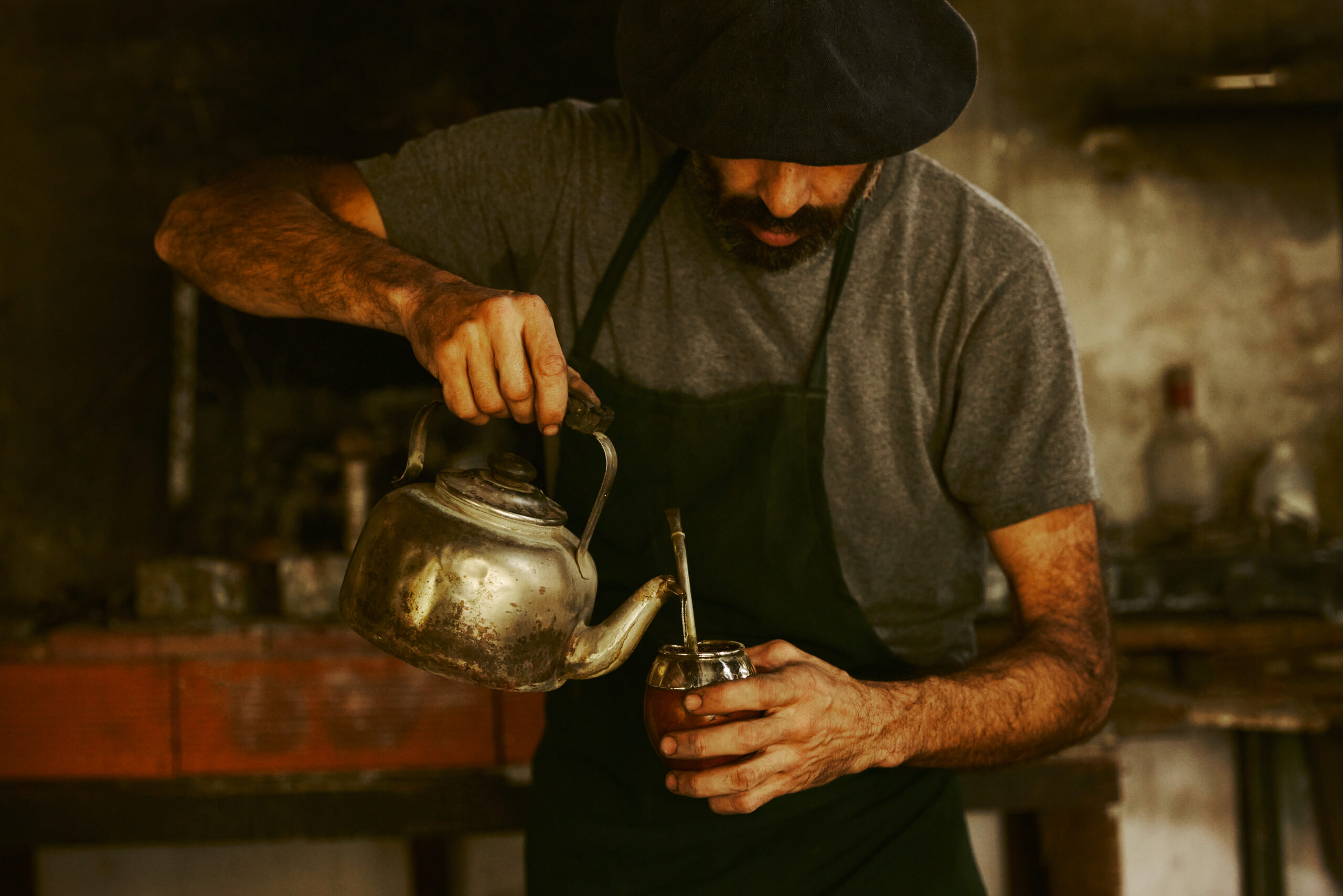
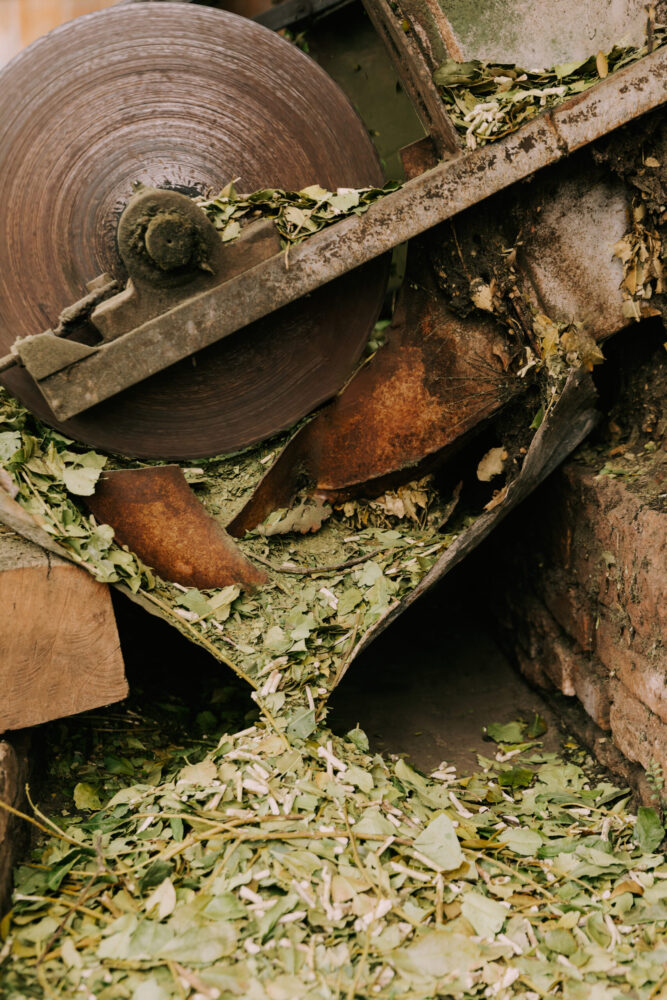
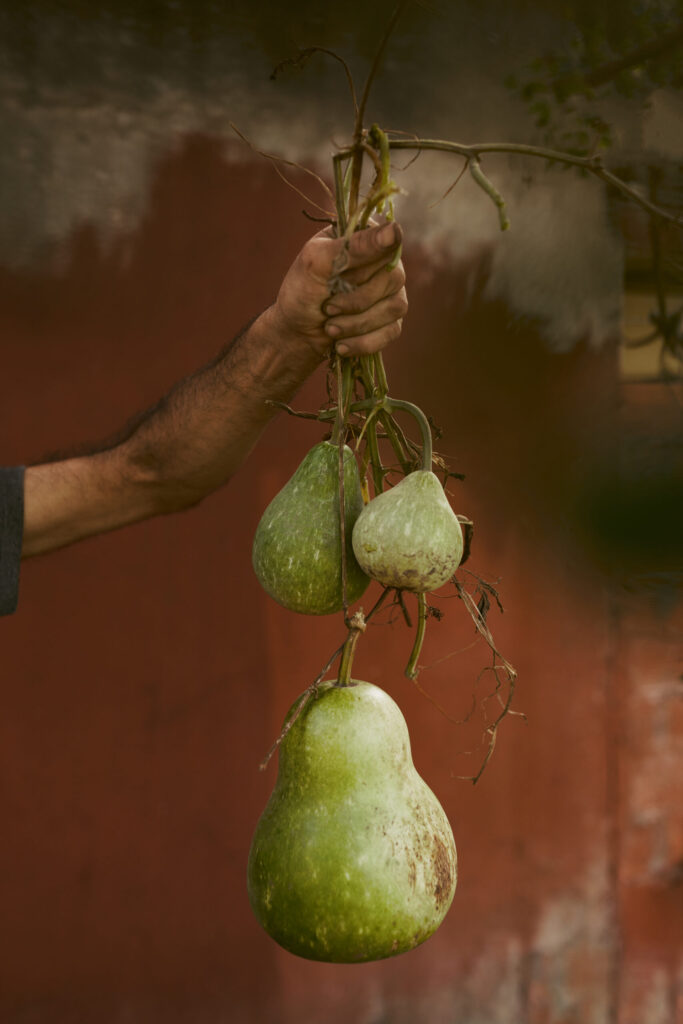
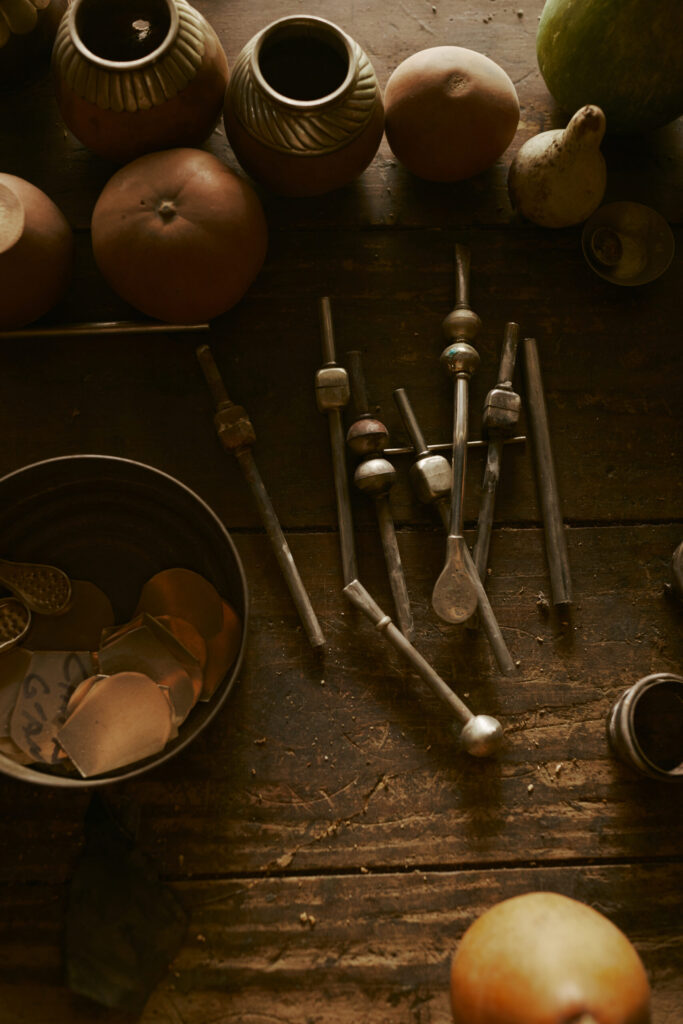
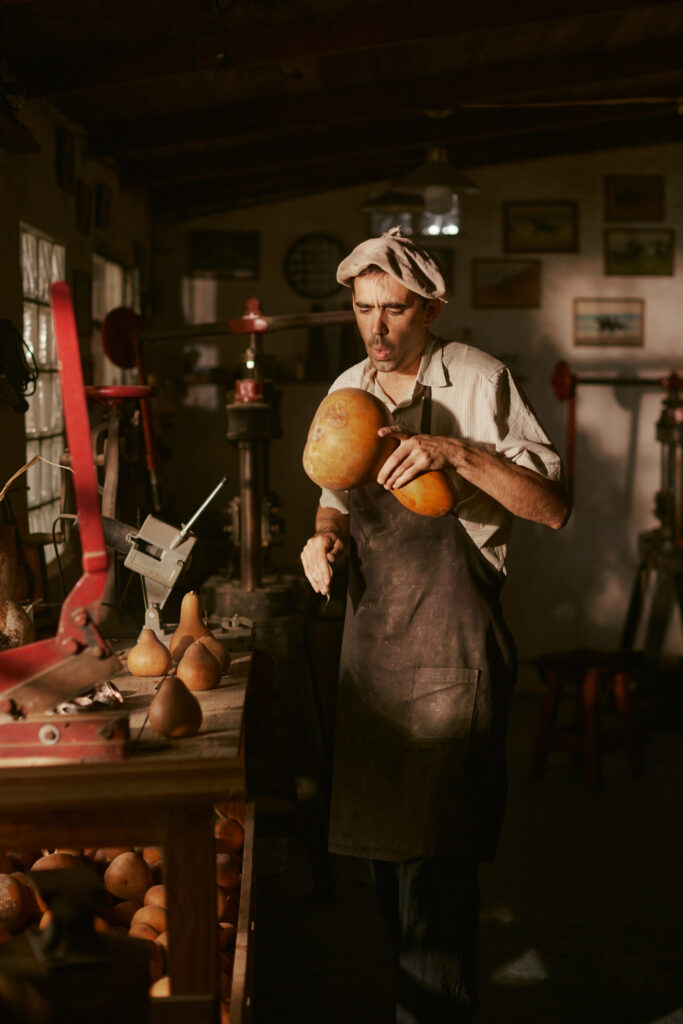
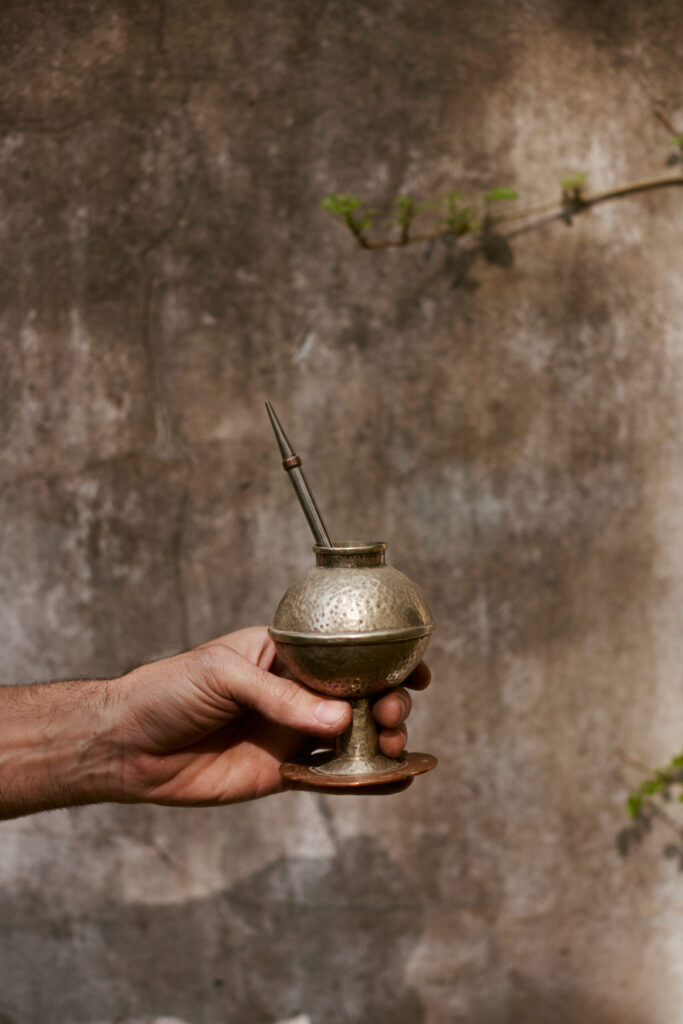
Mate is not a simple drink. If you want to learn about the subtleties of the Argentine class system, the complex history of indigenous peoples, colonists, settlers, and immigrants, or the ethos and spirit of modern Argentina, it can all be discovered at the bottom of the gourd mate is traditionally served in. “Yerba mate is an extension of Argentine identity. Yet so much about this infusion, its complex history, cultural significance, and modern cultivation, is still unknown,” says photographer Jimena Peck, who has dedicated several years of her life to a project documenting the mate-making process, from cultivating the leaves to producing the gourds. Mate is made from the leaves of the Ilex paraguariensis, which are dried, cut up, and ground. These (the yerba) are then placed in a small container made from a type of calabash or squash (in the native Quechua language, ‘mate’ can be translated variously as ‘gourd’, as well as ‘container for a drink’ and ‘infusion of an herb’). Hot water is then poured over the yerba and the beverage is then sipped through a metal straw called a bombilla.
For beginners, mate can be something of an acquired taste — earthy and bitter, and a little reminiscent of green tea (it also contains caffeine). Tasting notes often speak to “hints of soil and grass.” As Carlos Bayala, co-owner of the mate brand Porongo, emphasizes, the most important part ofthe mate ritual is sharing the tea with others. “People say if you’re good at making mate, you’ll always have friends.” He goes on to explain that the camaraderie in mate culture is borne from a deep appreciation of the process. “People will talk about ‘building’ a mate — armar un mate.” The ritual, communal sense of togetherness involved in enjoying mate would, until very recently, involve sharing the same gourd or receptacle and drinking from the same bombilla. In fact, Bayala points out that it is deeply insulting if someone wipes the bombilla in front of other people before using it — a throwback to a time when estancia owners would share mate with the workers on their rural estates as a sign of respect and trust. Of course, post-Covid, everyone now has their own mate gourd to drink out of — a forced cultural change that Bayala thinks has already proven significant. “Now there is a sense of individuality about mate that there maybe wasn’t before,” he says. “You may have three or four people, each with their own mate, but they still share the same water.”
In the 16th century, when Spanish Jesuit missionaries colonized the region where mate was grown (and that is still known today as Misiones), they recognised mate’s commercial potential as well as its medicinal effects, and encouraged its cultivation. More than 300 years later, in the early 20th century, waves of eastern European families fleeing starvation and religious persecution during the Great War settled in Misiones, and proved so adept at mate production (and consumption) that they sparked a modern trend for the drink. “At the beginning of the 20th century, [mate drinking] was related to two types of people: economically disadvantaged people from the farmlands and ranches outside the city, and the workers from the industrial regions,” explains Bayala. “To engage with their workers, the estancia owners would share the drink — so it then became either hyper posh or working class.” However, the middle classes began to pick up on mate too, increasing its popularity in busier regions and cities, particularly from the 1980s onwards. “I believe that democracy had a lot to do with that,” adds Bayala.
In the 16th century, when Spanish Jesuit missionaries colonized the region where mate was grown (and that is still known today as Misiones), they recognised mate’s commercial potential as well as its medicinal effects, and encouraged its cultivation. More than 300 years later, in the early 20th century, waves of eastern European families fleeing starvation and religious persecution during the Great War settled in Misiones, and proved so adept at mate production (and consumption) that they sparked a modern trend for the drink. “At the beginning of the 20th century, [mate drinking] was related to two types of people: economically disadvantaged people from the farmlands and ranches outside the city, and the workers from the industrial regions,” explains Bayala. “To engage with their workers, the estancia owners would share the drink — so it then became either hyper posh or working class.” However, the middle classes began to pick up on mate too, increasing its popularity in busier regions and cities, particularly from the 1980s onwards. “I believe that democracy had a lot to do with that,” adds Bayala.
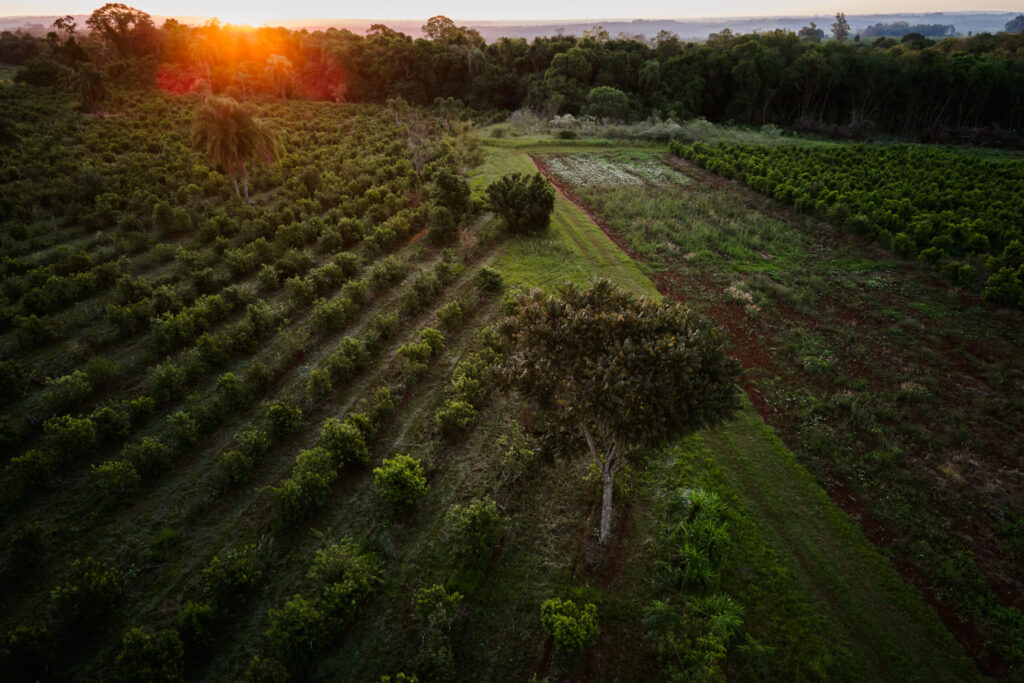
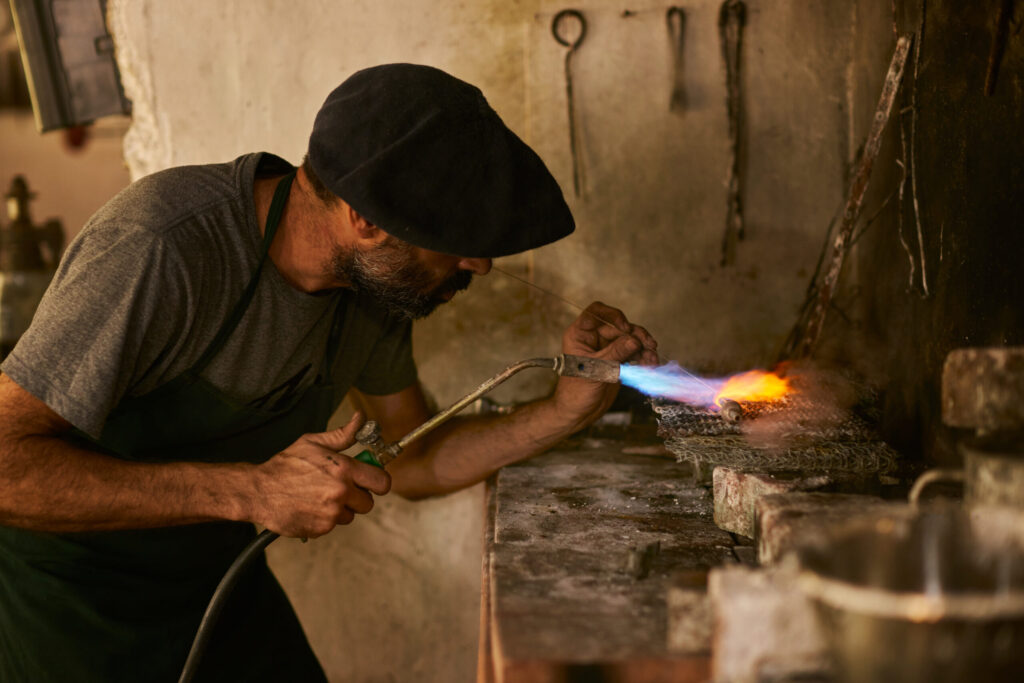
“Mate is a drink you share with others.” Recognizing that when it comes to modernizing ancient customs, a more responsible, ethical process is fundamental, Bayala highlights the foundation Sueño para Misiones, which seeks to address and provide legislation around mate-related labor: ‘It’s a really interesting journey into a world that has a lot to do with ecology — how we treat our plants, and sociology — how we have treated people associated with the cultivation.” The deeply connected history of mate — those who make it and those who drink it — is ultimately what speaks to Peck as well. “In my original photo essay, I tried to channel the key elements of the crop’s production — earth, fire, and time, following the thread of mate from its growth as a bushy, aromatic plant to its drying and then its final crushing,” she explains. “But my heart was struck by the hands and souls behind the crops.” We’re also really inspired by people on the street when we travel—the way they dress, how they mix everyday things.
There’s something poetic in those spontaneous combinations, something that touches us and finds its way into our work.