Nila House: Jaipur’s seat of excellence
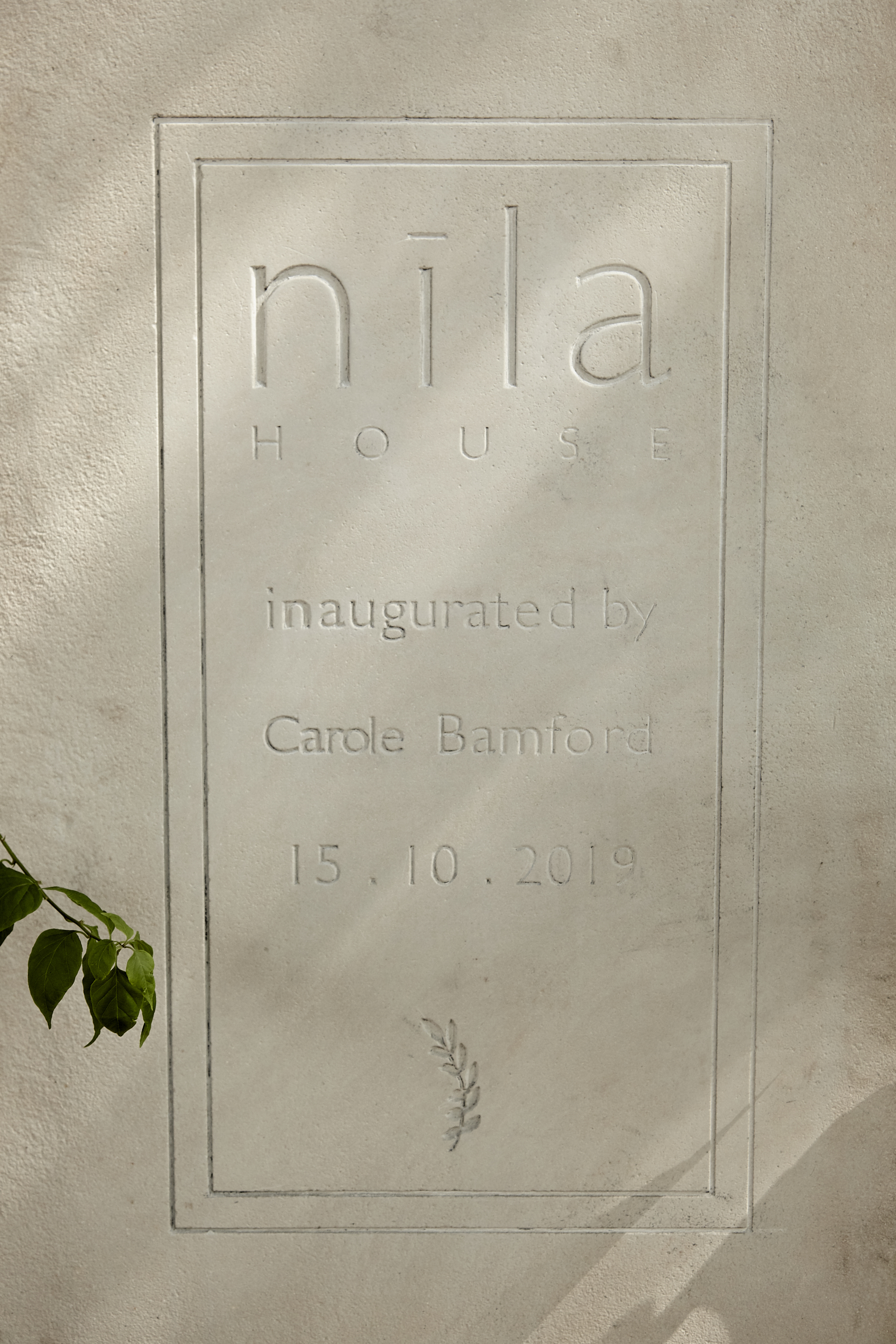
For Lady Carole Bamford, Nila House is the realisation of a 25-year-long dream.
Words Jaya Modi
Photograph Sam Walton
She has long loved India – for its spirituality, crafts and textiles – having first visited more than 40 years ago. This desire to preserve, protect and sustain the country’s craft communities and their skills led to the founding of Nila House in 2016. ‘We really wanted it to be a seat of excellence, for the artisans that are all over India’, says Lady Bamford. With its ethos of embracing traditional craft and how it can be reflected in the modern world, people from around the globe, she says, ‘will see what can be done in India’.
In Sanskrit Nila means ‘blue’, underscoring the organisation’s commitment to preserving the natural dye traditions of India, in particular its oldest, indigo. Once grown widely across India, it faced an alarming decline in demand when the popularity of synthetic dyes took over in the 19th century. Today almost all indigo dye found in India is synthetic, which is both harmful and polluting.
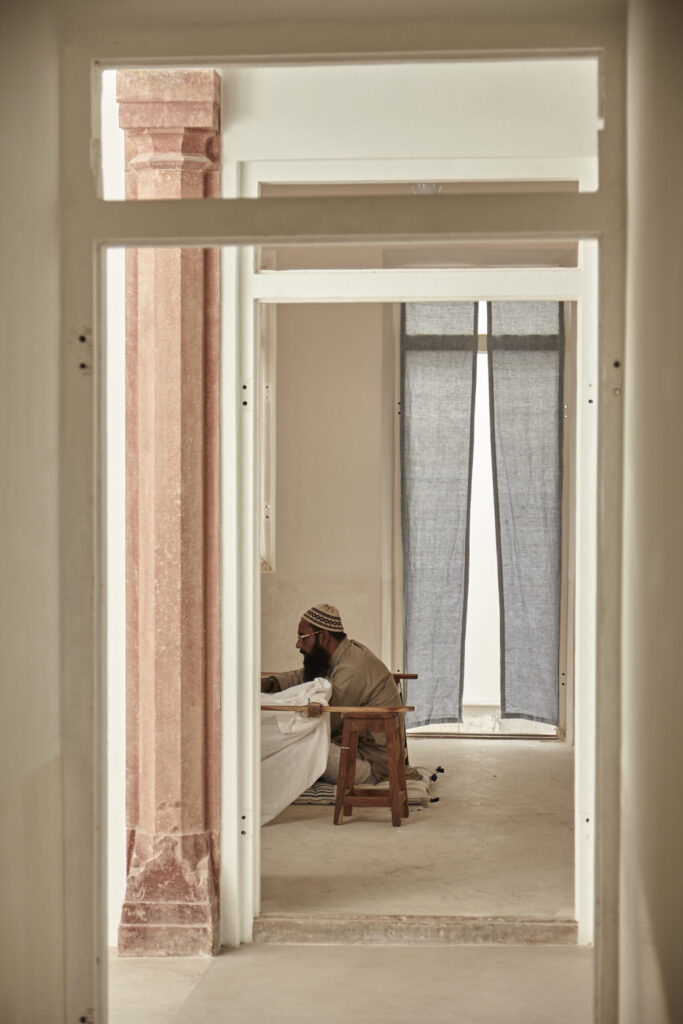
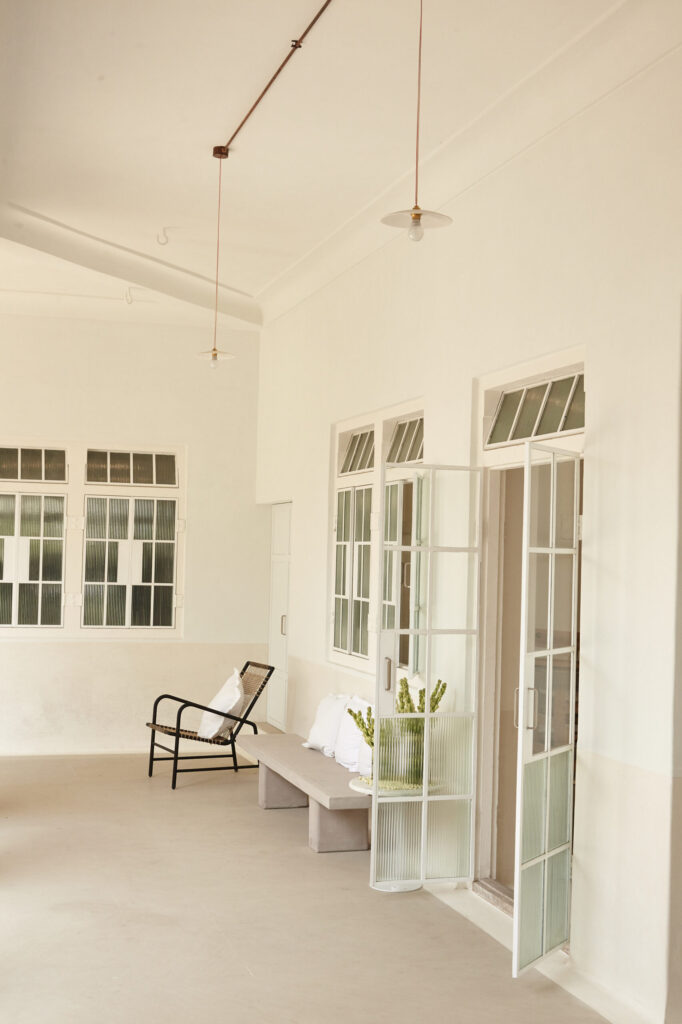
The house was found as a dilapidated abandoned bungalow in Jaipur. It was then stripped back and painstakingly restored by Bijoy Jain of Studio Mumbai, using only natural materials and championing local heritage and makers.
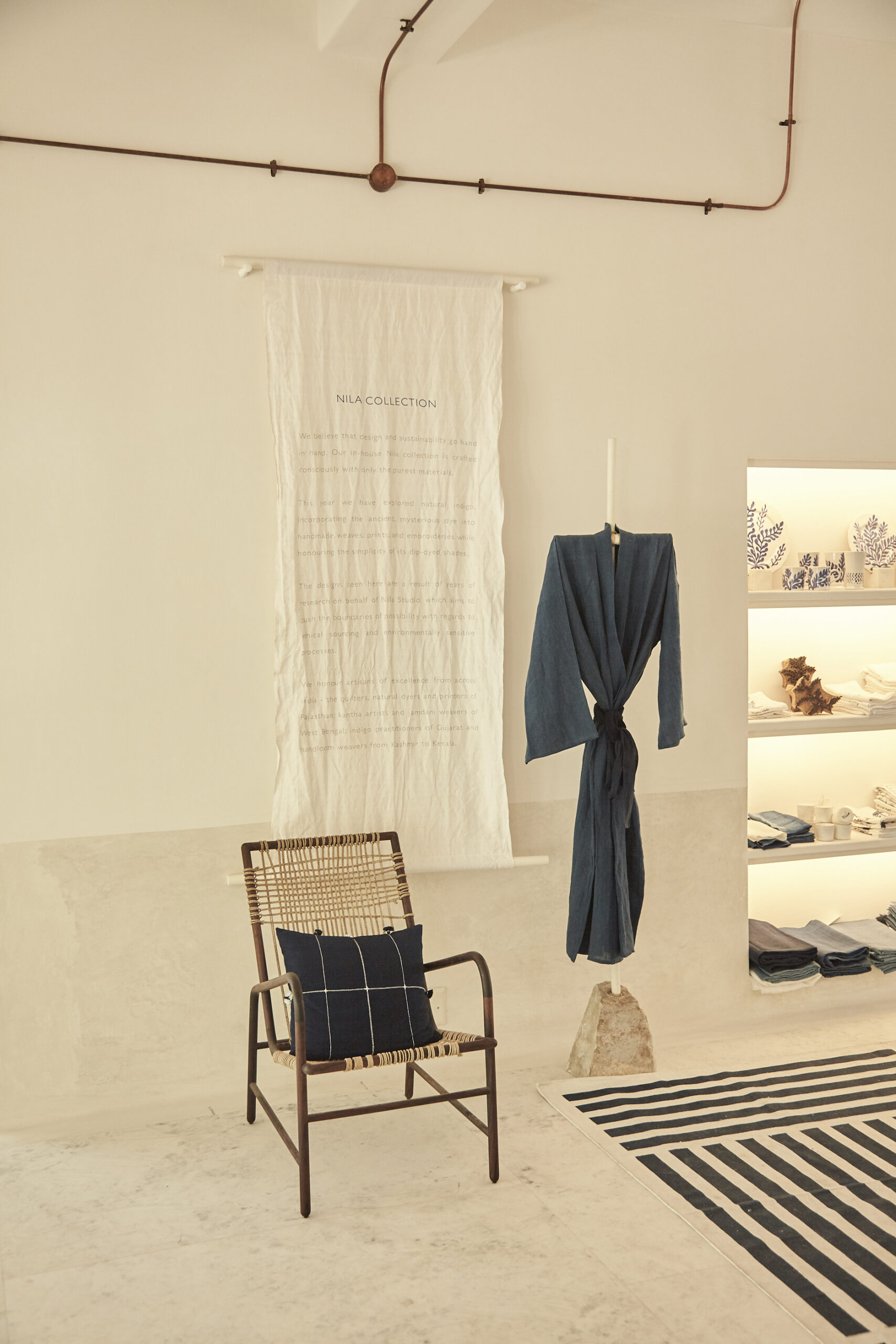
Its layout is simple, elegant. The exhibition room is at the front of the building, where it currently displays its inaugural Indigo collection, showcasing artisanal textiles from Kutch, plus exhibits from the private collection of textile expert Shri Brij Bhasin along with Nila House’s collaboration with designer Anna Valentine – who also explored the natural dye’s potential. Her line of clothing spans handspun-handwoven cotton, handloom linen and lightweight silk, using traditional embellishment styles such as kantha (from Bengal) or jaali chikankari (from Uttar Pradesh).
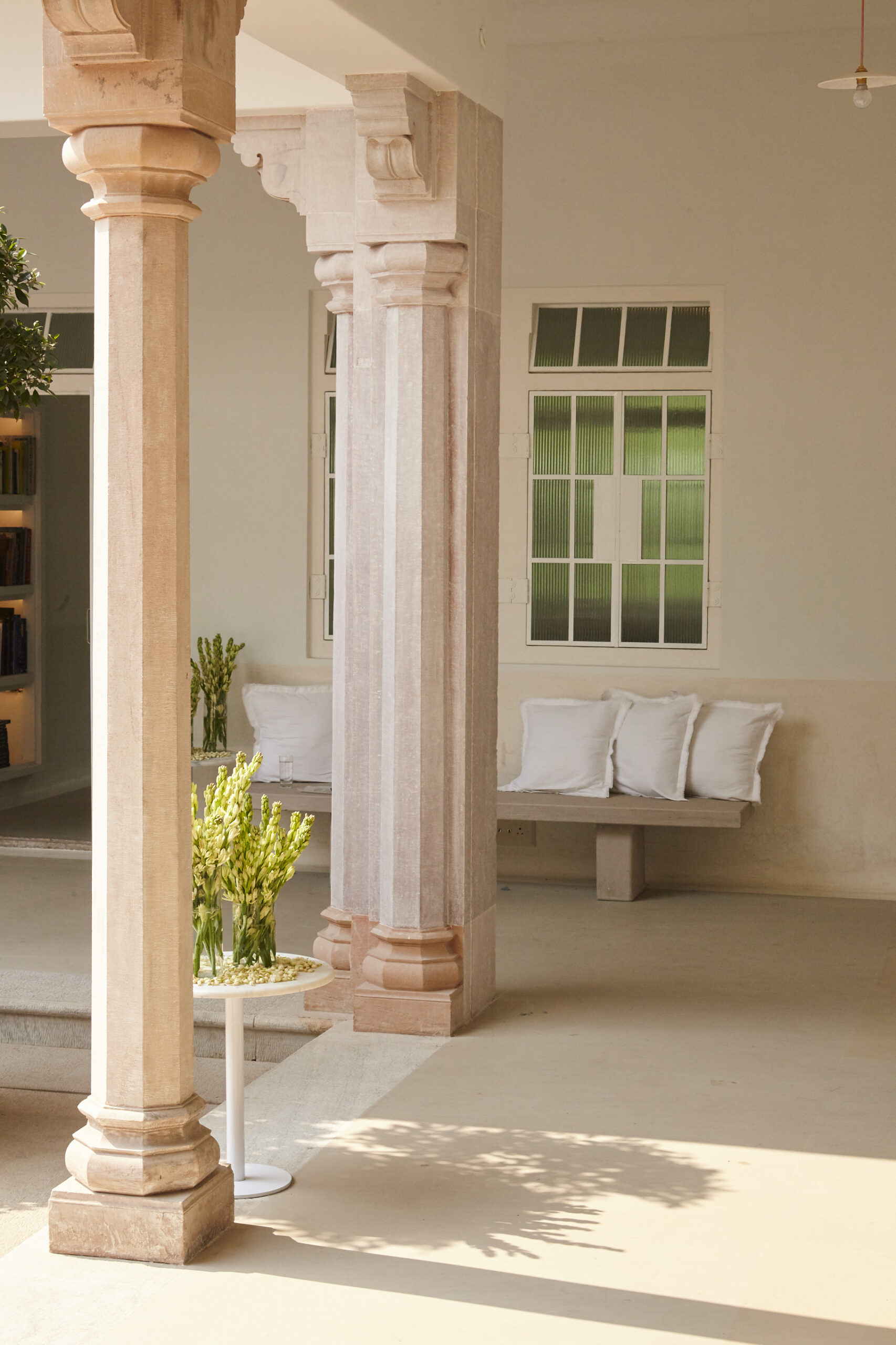
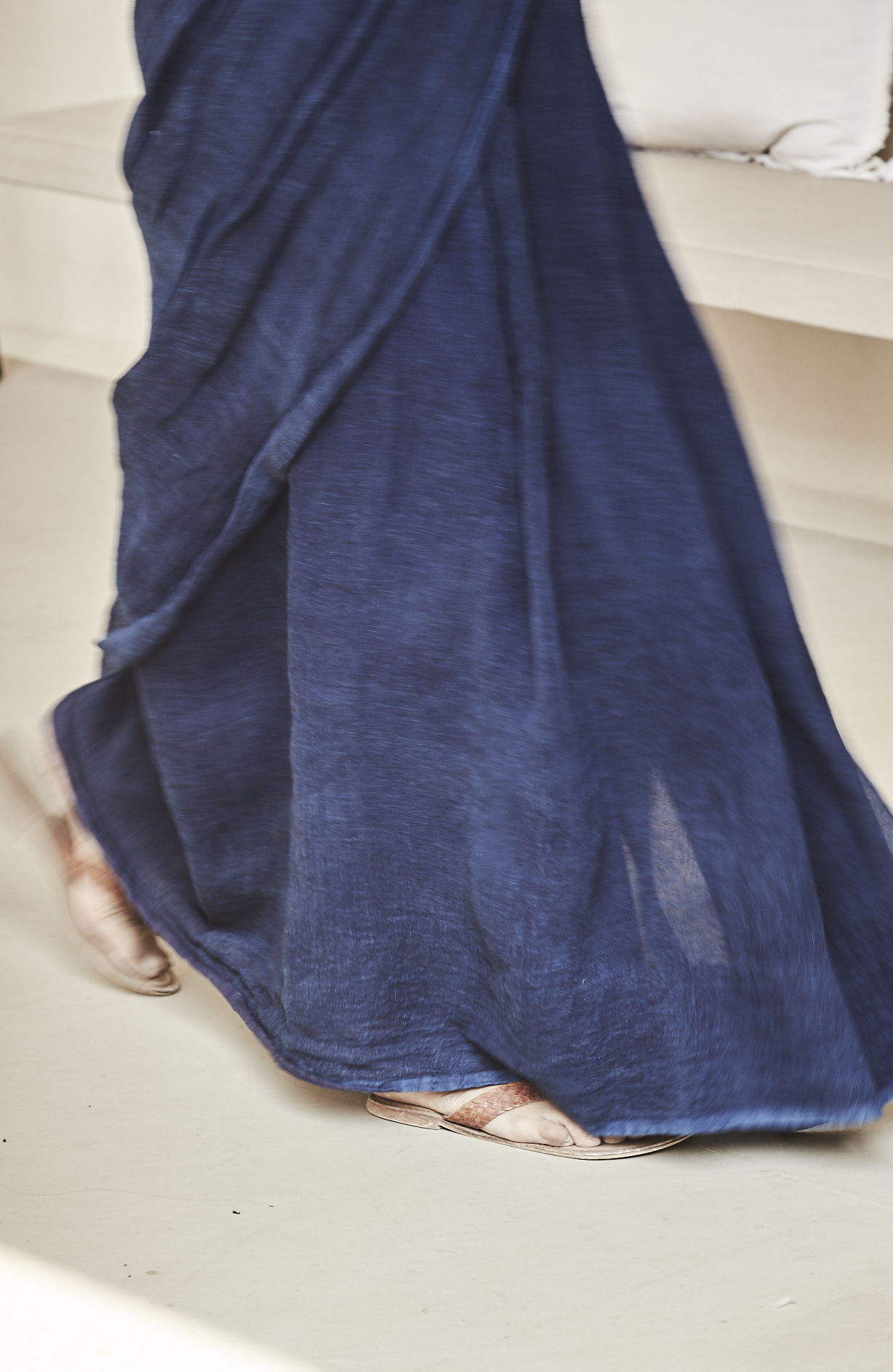
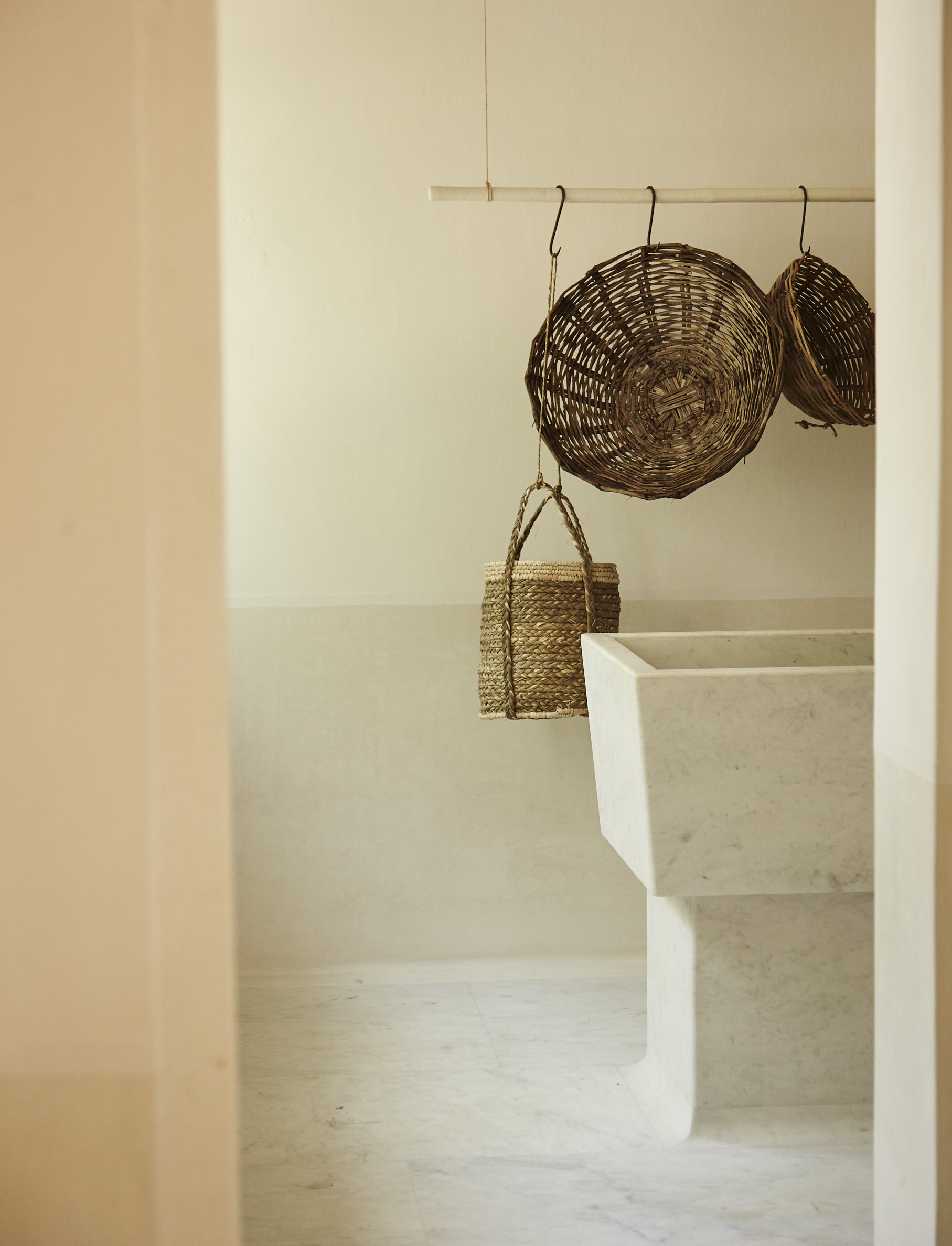
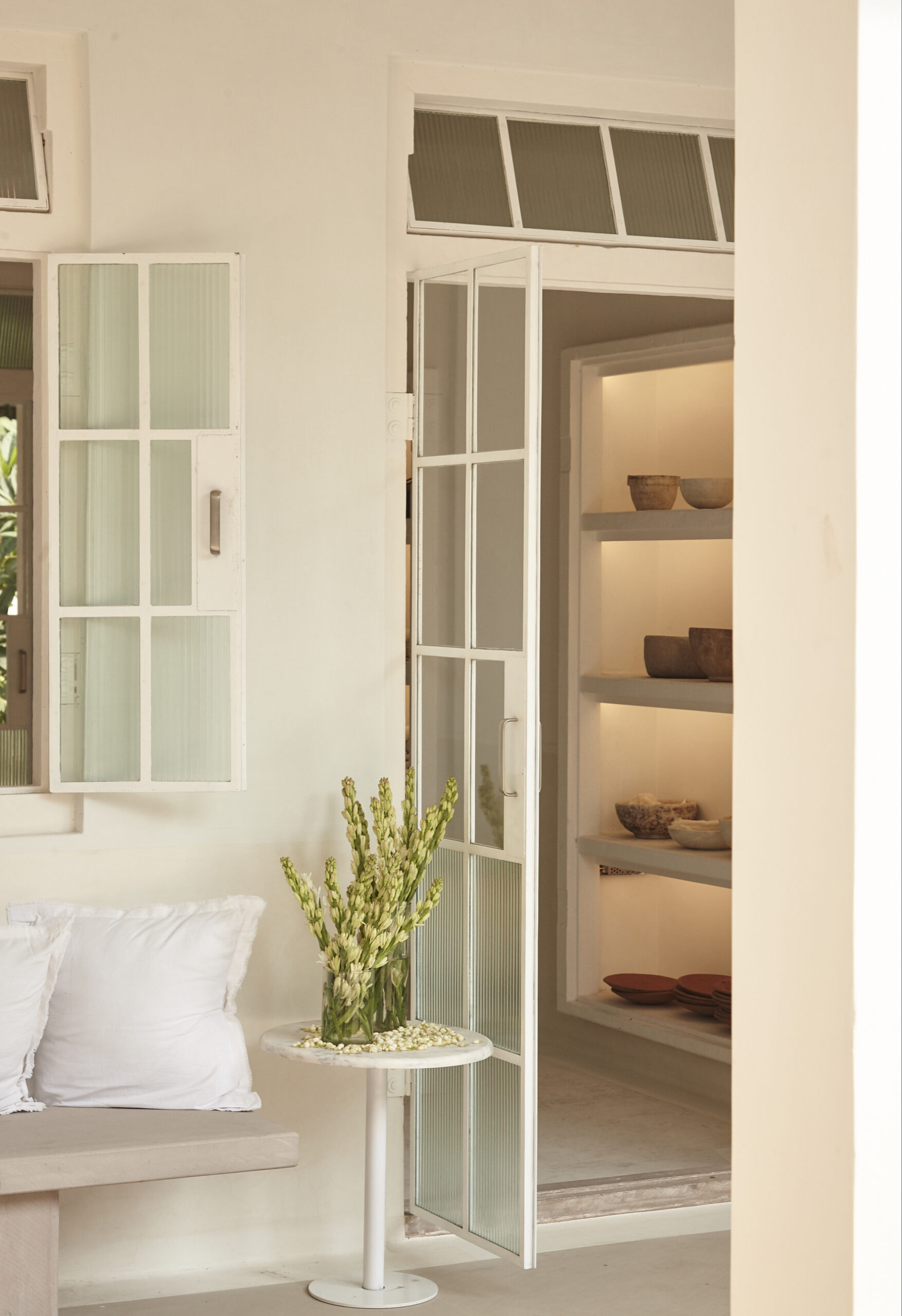
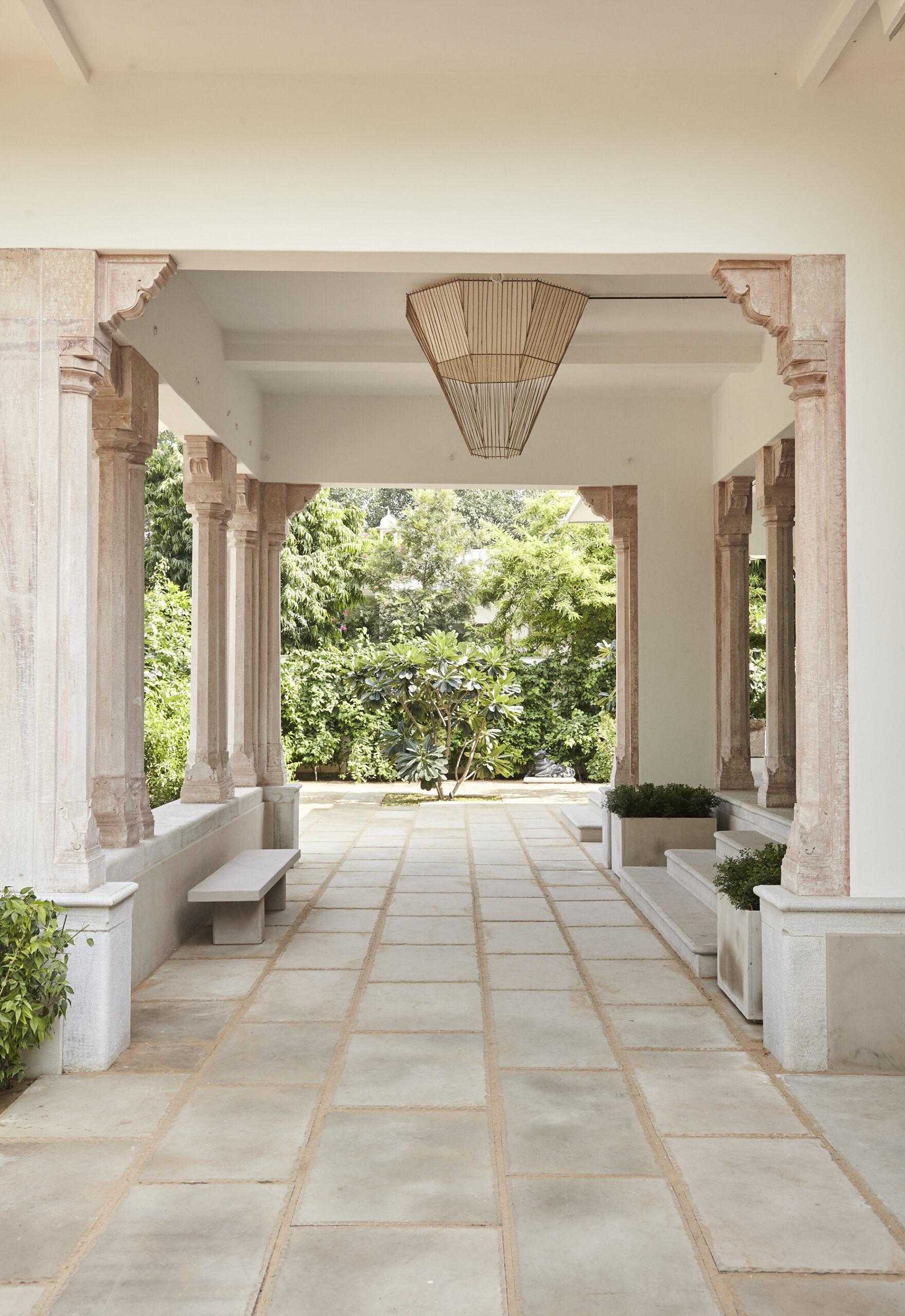
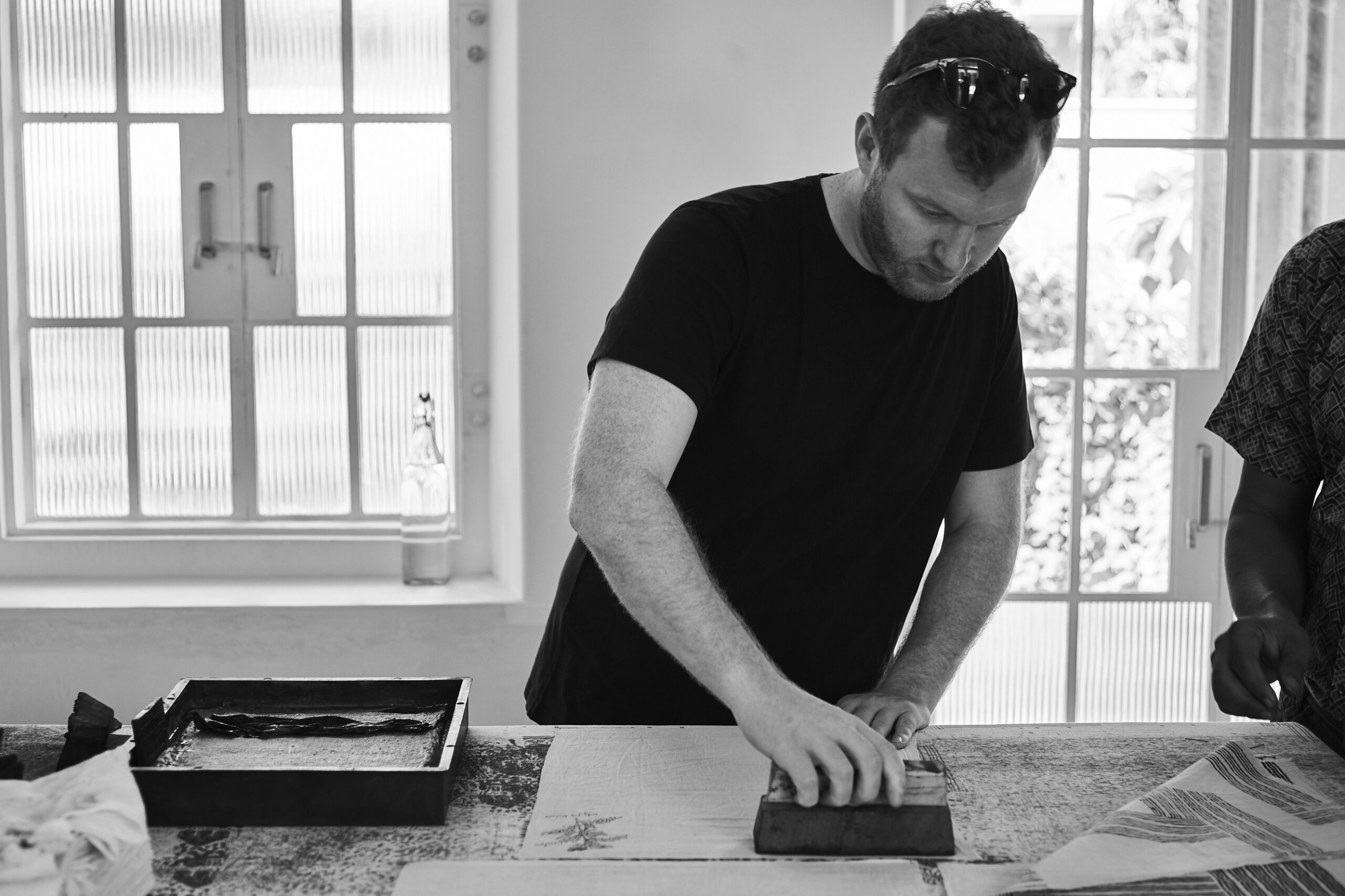
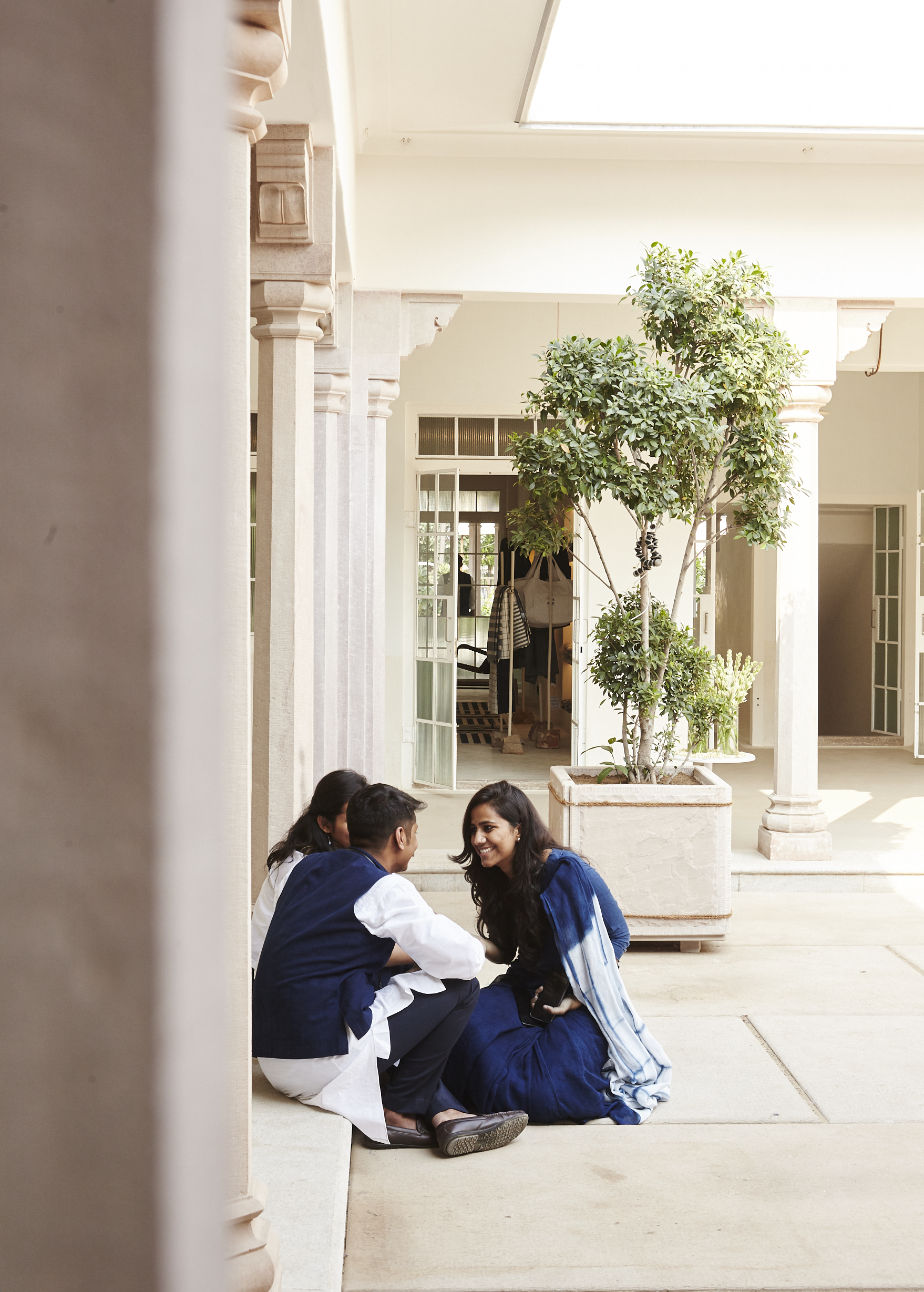
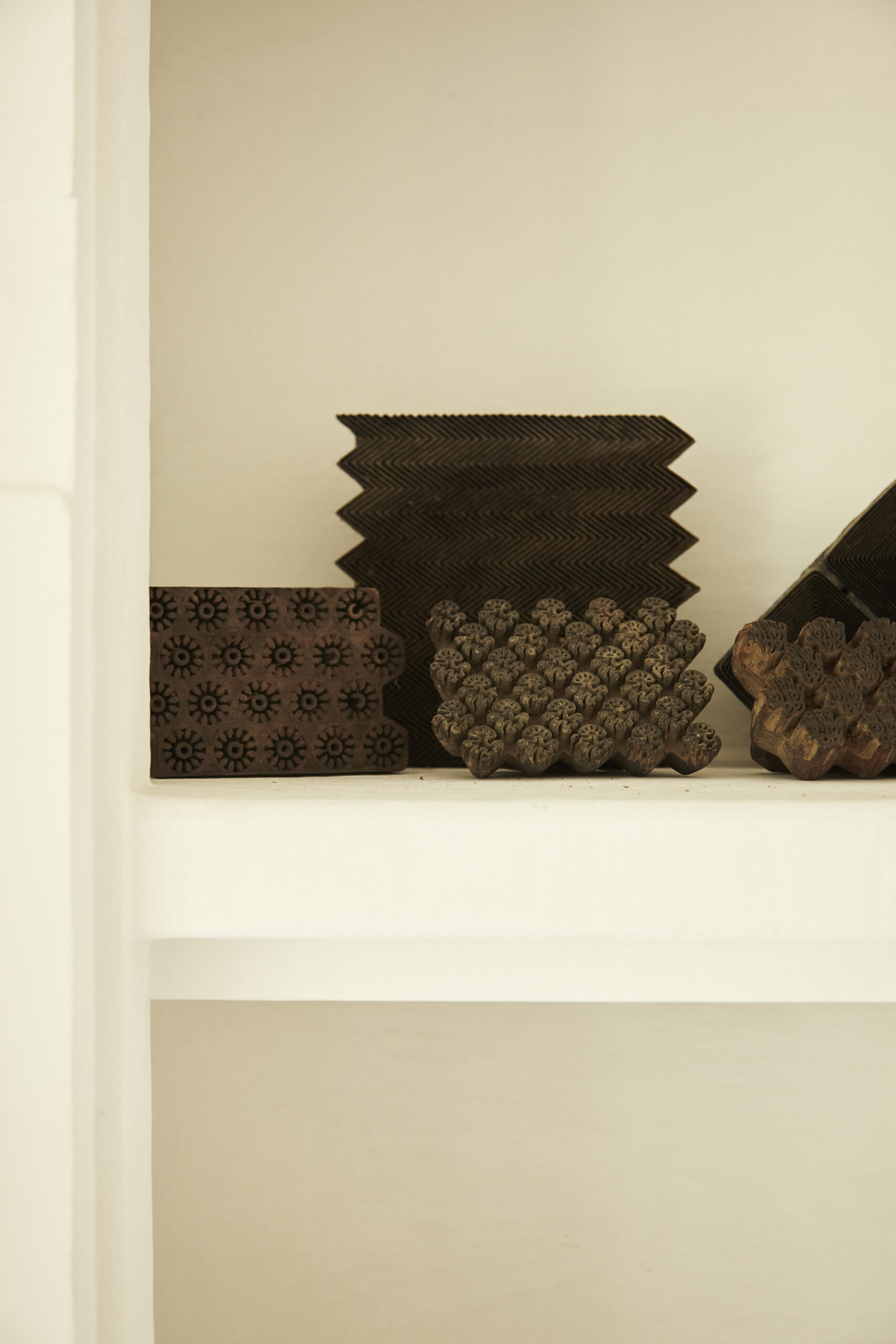
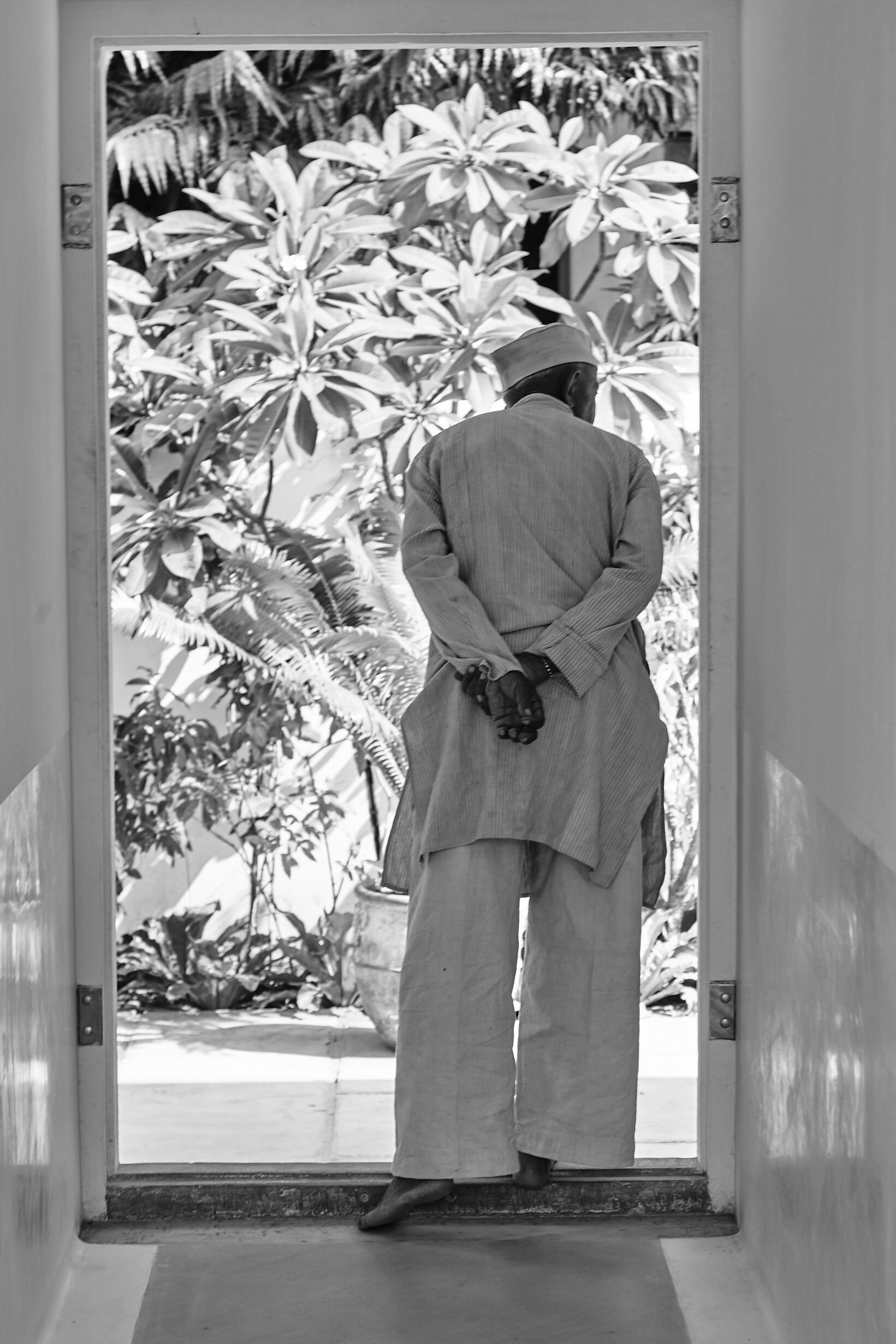
Around the courtyard are the workshop spaces – a working studio with weavers, tailors, designers, pattern-cutters and embroiderers, plus a dye house for developing natural dyes, and the light-filled calm of the library. There is also an annexe for artists-in-residence, with the archive of untreated handloom textiles housed in the basement.
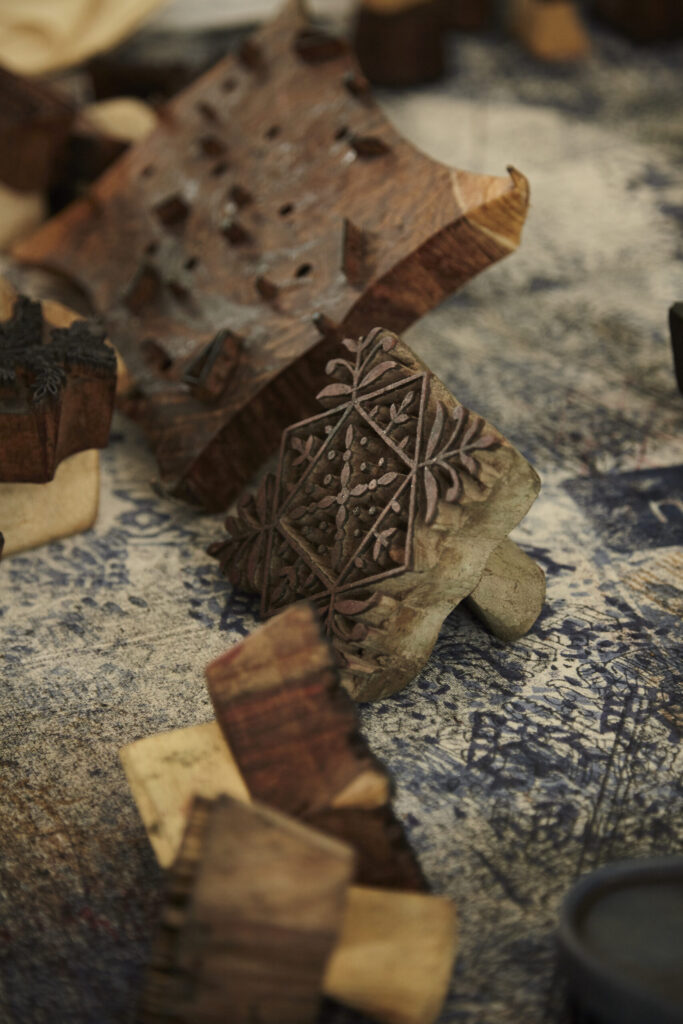
Across regular seminars and workshops such as wood block printing, handmade paper making, hand spinning and dyeing, Nila house is reviving traditional techniques and textiles such as khadi – a sustainable, hand spun cotton made popular by Mahatma Gandhij. The house is open for internships, residencies, collaborations and education, all the while functioning as an entirely non-profit initiative. Lady Bamford believes this is just the beginning, ‘It is a privilege for me to do it, I am humbled by what happens in India’.